
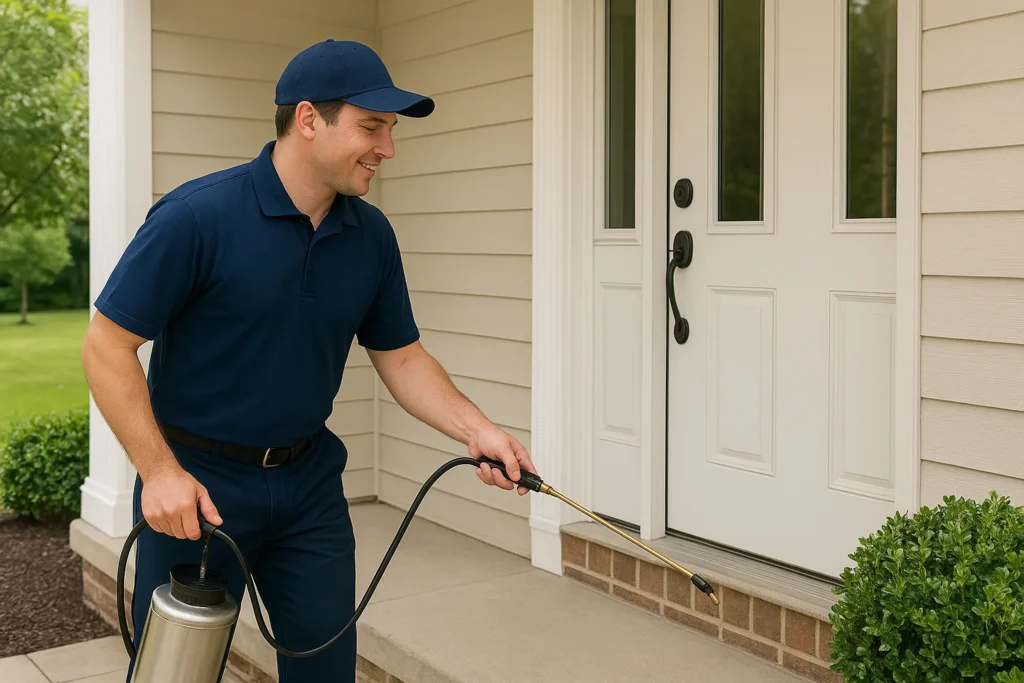
How Often Should You Schedule Pest Control? A Complete Guide by Pledge Pest Control
If you’re asking “how often should I schedule pest control?”, you’re asking a smart question. The frequency of pest control visits can make the difference between a peaceful, pest-free home and recurring headaches—and unnecessary costs. At Pledge Pest Control, we believe in a proactive, tailored approach that gives you the best protection without overkill.
In this guide, we’ll walk you through:
- Why frequency matters
- Key factors that influence how often you should schedule service
- Typical scheduling options (monthly, quarterly, seasonal)
- How to choose what’s right for your home
- Cost considerations
- What to expect during visits
- Tips to extend the effectiveness of treatments
- When to call in between scheduled visits
- Why Pledge’s maintenance plans are designed the way they are
Let’s dig in.
Why Frequency Matters (More Than You Think)
Many homeowners postpone pest control until they see obvious signs of pests—ants marching across a countertop, rodents scratching in the attic, or insect bites. But by that time, the pests have often been working behind the scenes for weeks or months.
Here’s why regular, reliable scheduling matters:
Preventative vs. Reactive
Treating early prevents small pest problems from turning into full-blown infestations. This saves time, money, and stress.
Residual Treatments Fade Over Time
Most pest control treatments use products with limited residual life. After a few weeks to a few months, their effectiveness diminishes, requiring reapplication or maintenance barriers.
Seasonal Pest Cycles
Different pests become active at different times of the year. Staggered treatments timed with pest biology help you stay ahead of them.
Avoid Structural Damage
Some pests—especially termites, carpenter ants, and rodents—cause damage that is expensive to repair. Regular inspections and treatments mitigate that risk.
Health & Safety
Pests can carry disease, trigger allergies, contaminate food, and create unsanitary conditions. A regular schedule reduces those threats.
Because of these reasons, most pest professionals agree: you should not wait until pests become obvious. A preventative schedule is the smarter, safer approach.
Key Factors That Influence How Often You Should Schedule Pest Control
There’s no one-size-fits-all answer. The “ideal” schedule depends on a combination of factors unique to your property and location. Use these questions to assess your needs:
- Location & climate — In warm or humid climates, year-round pest activity may require more frequent visits. Ask: How many pest-prone months do you have?
- Home age, construction & condition — Older homes or those with gaps and cracks are more vulnerable. Ask: How well sealed is your home?
- Surrounding environment — Nearby woods, water, mulch beds, or infested neighbors increase pressure. Ask: What around your property might harbor pests?
- Previous pest history — Recurring issues or past infestations suggest tighter schedules. Ask: Have pests returned before?
- Type of pests / species — Fast reproducers like ants/roaches need tighter control; termites/bed bugs need specialized programs.
- Level of infestation — Heavy activity often requires more frequent service initially until control is achieved.
- Risk tolerance & budget — More frequent service costs more but provides stronger protection. What protection level do you prefer?
Common Scheduling Options: Pros & When They Work
1) Quarterly (Every 3 Months)
Why it’s popular: This is the industry standard for many residential properties. Quarterly service balances protection with cost and keeps pressure on pests year-round.
When it works best:
- Homes with average pest pressure
- No severe past infestations
- Moderate climate (not extreme pest conditions)
- Well-sealed, well-maintained structures
Pros / Cons:
- ✅ Good balance of cost vs. protection
- ✅ Year-round control with seasonal timing
- ❌ May be insufficient under heavy pest pressure
- ❌ Gaps between visits can allow new incursions
2) Bi-Monthly / Every Other Month (Every 2 Months)
Why it’s chosen: For higher pest pressure or aggressive climates, shorter intervals ensure residuals don’t fade before pests rebound.
When it works best:
- Regions with long warm seasons
- Homes adjacent to pest habitats
- Previous recurring pest issues
- Lower margin for error
Pros / Cons:
- ✅ Stronger continuous protection
- ✅ Less downtime between treatments
- ❌ Higher cost
- ❌ More service visits
3) Monthly
Why it’s used: Often for severe, ongoing infestations or high-risk properties (e.g., restaurants, multi-unit buildings) where constant vigilance is needed.
When it works best:
- Active infestations requiring heavy control
- Businesses with strict hygiene requirements
- Properties in extremely pest-prone zones
Pros / Cons:
- ✅ Maximum protection and fast suppression
- ❌ Highest cost and more frequent visits
4) Seasonal / As-Needed / One-Time Treatments
Why some pick this: To manage costs or because pest pressure is low. Some homeowners only schedule treatment in peak season or when pests appear.
When it works best:
- Short pest seasons
- Secondary/vacation homes
- Very low-risk properties
- As a supplement in off-seasons
Pros / Cons:
- ✅ Lower total cost
- ✅ Fewer disruptions
- ❌ More reactive than proactive
- ❌ Higher risk of surprise infestations
5) Specialized Intervals (Termites, Bed Bugs, Mosquito/Tick)
Some pests require unique schedules: termite inspections typically annually (even if general pest control is quarterly). Bed bug programs often require multiple visits over a short span. Mosquito/tick control is commonly seasonal (late spring through summer).
In short: your plan may combine quarterly general service plus targeted add-ons for specific pests.
What’s Best for You: Choosing the Right Schedule
Here’s how Pledge Pest Control tailors a plan for your home:
- Initial Inspection & Assessment — Interior/exterior review, pest history, sealing, landscaping, and local pressures.
- Risk Analysis — Environmental risks (woods, water, neighbors), seasonal cycles, moisture/cracks/clutter.
- Recommend Frequency Range — e.g., every 2–3 months with optional upgrades.
- Plan Testing Period — Start bi-monthly for 6–12 months, then consider stepping down to quarterly.
- Adjust Over Time — Tune based on activity logs, season shifts, and visual clues.
- Service Guarantees / Call-backs — Warranty support if pests reappear between visits (within plan limits).
Realistic Expectations: What Happens During Each Visit
- Exterior perimeter inspection & barrier treatment — Foundation, eaves/soffits, landscape edges.
- Interior inspection & spot treatments — Kitchens, baths, crawlspaces, attics; targeted baits/residuals.
- Rodent prevention / trapping — Traps, exclusion recommendations, entry-point sealing.
- Monitoring & maintenance — Residual checks, hotspot notes, re-entry signs.
- Communication & recommendations — Findings, corrective actions, and expectations.
- Call-back / warranty coverage — Support between visits when covered by plan.
Costs & Value: What You’re Really Paying For
Value matters more than sticker price—consider what’s included and how consistently protection is maintained.
- Per-visit vs. plan pricing — Plans spread costs and keep cadence consistent.
- Service inclusions — Interior + exterior? Rodent work? Call-backs? Exclusion?
- Property size & layout — Larger or complex properties require more time/materials.
- Pest pressure & severity — Heavier activity increases service needs.
- Guarantees & warranties — Call-back or retreatment coverage adds value.
As a rule of thumb, many general residential quarterly plans range widely by region and property size. Your quote with Pledge reflects your specific situation.
How to Maximize the Effectiveness of Each Visit
- Sealing & caulking — Gaps, utility penetrations, thresholds, foundation joints.
- Landscaping & barrier zones — Keep plants/mulch off siding; reduce moisture near foundation.
- Sanitation & food storage — Seal foods, clean spills, manage trash and pet food.
- Moisture management — Fix leaks, improve drainage, ventilate crawlspaces, clear gutters.
- Regular monitoring — Look for droppings, trails, traps or sticky card hits.
- Prompt reporting — Call us if pests appear between visits (warranty rules apply).
When to Call Pest Control Between Scheduled Visits
- Sudden increase in visible pests
- Signs of nesting (wasp nests, rodent burrows)
- New damage (chewed wood, wiring, insulation)
- Unusual odors or sounds (scratching, scurrying)
- Evidence of termites (mud tubes, hollow wood)
- Seasonal pests appearing early or lingering late
Sample 12-Month Pest Control Schedule (Moderate Climates)
- Early Spring — Full inspection, perimeter barrier, interior spot treatment, rodent traps.
- Late Spring — Barrier refresh, insect monitoring, exclusion checks.
- Mid Summer — Focus on flying insects and moisture zones; interior follow-through.
- Early Fall — Preemptive treatment before pests move indoors.
- Late Fall / Early Winter — Interior focus, rodent prevention, exclusion sealing.
- Winter (if needed) / Call-backs — Spot treatments, monitoring, as required.
After ~6 visits, reassess whether quarterly spacing is sufficient or whether bi-monthly should continue.
Common Questions & Myths
Isn’t quarterly service overkill?
Not at all. In many climates, quarterly is the baseline. It keeps residuals active and pests in check so problems don’t resurge.
Can’t I just treat when I see pests?
That’s reactive and often too late. Scheduled treatments prevent colonies from establishing and reproducing.
Are frequent treatments unsafe for family or pets?
When performed by licensed professionals using appropriate products and instructions, risks are minimized. Always follow re-entry and safety guidance from your technician.
I live in a mild climate—is quarterly enough?
Often yes, but risk factors like vegetation or nearby infestations may justify bi-monthly service. We’ll tailor the plan.
Do treatments last forever?
No. Sun, rain, and natural breakdown reduce residuals over time—hence recurring visits are necessary.
Why Pledge Pest Control Chooses This Approach
- Customized — No one-size-fits-all schedules.
- Data-driven — We track pests, call-backs, and seasonal trends.
- Guarantee-based — We respond if pests reappear within coverage.
- Integrated — Treatment + exclusion + homeowner actions.
- Transparent — Clear schedules, inclusions, and opportunities to scale frequency down.
Call to Action & Next Steps
- Request a free inspection from Pledge Pest Control.
- We’ll assess your property and pest risks.
- We’ll propose a tailored plan with recommended frequency.
- You begin services; we adjust over time for optimal protection.
Let Pledge Pest Control be your partner in long-term pest prevention—so you stop worrying about pests and start enjoying your home.