
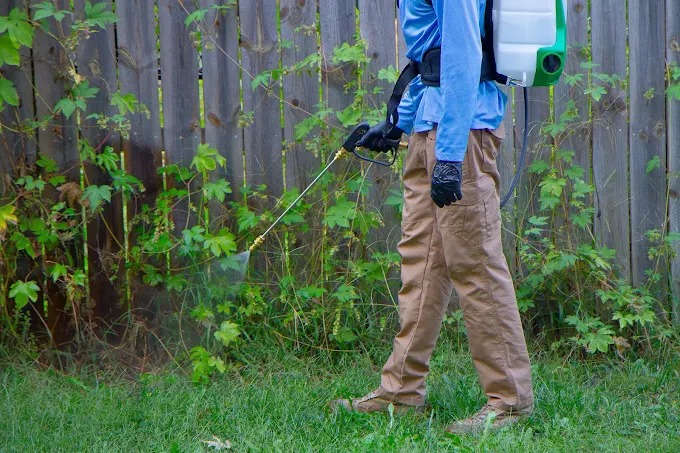
Pest Control for Property Management & Rentals: The Complete Guide by Pledge Pest Control
In property management, pest control is more than routine maintenance—it’s a strategic pillar for protecting asset value, reducing turnover, and keeping tenants happy. Whether you oversee single-family rentals, multi-unit apartments, or short-term vacation properties, a proactive, documented pest program saves time and money while improving resident experience. In this guide, Pledge Pest Control explains exactly how to build a scalable, compliant, and cost-effective pest strategy for rental properties.
Why Pest Control Is Essential for Property Managers and Landlords
When pests show up in rental housing, the impact reaches far beyond a simple service call. It affects brand reputation, operating costs, and legal risk. By shifting from reactive treatments to a structured schedule, property managers prevent infestations before they start and avoid emergency chaos.
Financial Damage and Maintenance Costs
Rodents chew wiring and insulation. Termites weaken framing. Cockroaches contaminate kitchens and spread quickly through shared walls. These problems escalate repair bills and increase vacancy time. Routine prevention, inspection, and barrier treatments cost far less than emergency remediation and structural repairs.
Tenant Complaints, Turnover, and Reputation Loss
Prospective renters read reviews, talk to current tenants, and quickly flag pest issues as dealbreakers. A single incident can ripple across online listings and community groups. A consistent pest program keeps complaints low, renewals high, and your reputation intact.
Legal Liability and Habitability Laws
In many jurisdictions, landlords are responsible for providing habitable premises. Active infestations, especially those affecting safety or cleanliness, can trigger enforcement, rent abatement, or disputes. A documented pest control plan—paired with tenant cooperation policies—helps maintain compliance and demonstrates due diligence.

Who’s Responsible for Pest Control in Rentals? (Landlord, Tenant, or Property Manager?)
Responsibility varies by location and lease language, but in practice it is shared:
- Landlords/Owners: Maintain habitable, pest-free conditions and contract professional service as needed.
- Property Managers: Operationalize the program—schedule inspections, coordinate access, track results, and communicate with tenants and owners.
- Tenants: Maintain cleanliness, store food properly, promptly report sightings, and cooperate with treatment preparation and entry.
Clear lease clauses and welcome-packet instructions prevent finger-pointing and speed up resolutions when issues arise.
How to Build a Pest Control Strategy for Rental Properties
A robust program follows a simple cadence: inspect, prevent, document, educate, and improve. Here’s a proven blueprint you can roll out across a portfolio.
Step 1: Start with a Comprehensive Property Inspection
Begin with exterior and interior inspections for each asset. Identify entry points (foundation cracks, gaps around utilities, door sweeps, roof penetrations), moisture sources, clutter or storage risks, trash areas, and landscaping touching the structure. Photograph findings and create a baseline report for each unit and building.
Step 2: Set a Consistent Pest Control Schedule
Choose a service interval based on risk and history:
- Quarterly for most single-family rentals and lower-risk multi-unit properties.
- Bi-monthly where pressure is higher (warmer climates, dense landscaping, prior issues).
- Monthly (in season) for short-term rentals and properties with frequent turnover or persistent problems.
Schedules should align with seasonal pest cycles and product residual timelines to keep coverage continuous.
Step 3: Use Integrated Pest Management (IPM) Practices
IPM combines inspection, exclusion, sanitation, monitoring, and targeted treatments—reducing chemical use while improving long-term results. Seal gaps, manage vegetation (keep 12–18 inches between plants and siding), fix leaks, improve drainage, and store trash in sealed containers. Pair physical controls (traps, monitors) with precision applications as needed.
Step 4: Educate Tenants and Set Expectations
Tenants are early-warning sensors. Provide move-in guidance covering food storage, trash routines, moisture control, and how to submit a pest report. Explain prep steps for treatments (clearing counters, pet safety, access windows) to avoid failed visits.
Step 5: Document Every Treatment and Result
For each unit and common area, log date, service scope, products used, observations, photos, technician notes, and next steps. Centralized records enable pattern analysis, support compliance, and simplify owner reporting.
Step 6: Review, Optimize, and Repeat
Every 6–12 months, review KPIs: call-back rates, hotspot units, seasonality patterns, and total cost vs. emergency calls. Adjust frequency (up or down), add exclusion tasks, or schedule seasonal booster visits to keep results trending in the right direction.
Best Practices for Property Managers to Prevent Pests Year-Round
Standardize prevention with portfolio-wide policies and checklists. Small improvements across every unit yield compounding benefits.
Maintenance and Exclusion Checklist
- Seal foundation cracks; install/replace door sweeps; patch window screens; foam/caulk utility penetrations.
- Trim vegetation and mulch away from siding; keep tree branches off roofs.
- Fix plumbing leaks; maintain proper drainage; keep gutters and downspouts clear.
- Store trash in tight-fitting containers; clean bins; designate refuse areas away from entries.
- Reduce clutter in storage rooms, utility chases, and shared spaces.
Tenant Communication Templates and Policies
Use standard notices for upcoming treatments, entry times, preparation steps, and post-visit care. Include QR codes or links to a simple reporting form so tenants can submit sightings with photos and preferred access windows.
Contract and Lease Clauses That Prevent Pest Issues
- Define tenant obligations (cleanliness, reporting, prep/entry cooperation).
- Specify routine service cadence and emergency response windows.
- Clarify who pays in tenant-caused infestations (as permitted by local law).
- Include rights of entry for scheduled treatments and re-checks.
How to Handle Pest Complaints Quickly and Professionally
Acknowledge reports within 24 hours, triage severity, and schedule inspection or treatment quickly. Communicate what to expect, document every step, and confirm resolution with the tenant. Speed and clarity build trust and reduce escalations.
Sample Annual Pest Control Schedule for Rental Properties
| Quarter | Visit Focus | Notes |
|---|---|---|
| Q1 (Jan–Mar) | Full inspection + baseline interior/exterior treatment | Prep for spring activity; establish monitoring points. |
| Q2 (Apr–Jun) | Barrier refresh; monitor ants/roaches/rodents | Address moisture and landscaping growth. |
| Q3 (Jul–Sep) | High-season focus on flying insects and rodents | Consider extra visit for vacation rentals. |
| Q4 (Oct–Dec) | Pre-winter inspection; rodent exclusion; attic/roofline check | Seal entry points; reinforce traps/monitors. |
Between scheduled visits, target hotspots with spot treatments, track call-ins, and adjust future service plans accordingly.
Frequently Asked Questions About Pest Control in Rentals
How often should pest control be done in rental homes?
For most rentals, quarterly service balances cost and coverage. For multi-unit buildings or high-pressure areas, bi-monthly service reduces gaps between residual efficacy. Vacation rentals often benefit from monthly visits during peak turnover periods.
What pests are most common in rental properties?
Ants, cockroaches, rodents, spiders, bed bugs, and termites top the list. Property type, climate, and tenant habits (trash, food storage, moisture) influence risk. Multi-unit structures are especially vulnerable to pests traveling through walls, floors, ceilings, and utility chases.
Can landlords charge tenants for pest control?
It depends on local law and lease terms. Generally, infestations linked to property conditions are the landlord’s responsibility; tenant-caused issues may be billed back when allowed. Clear clauses and documentation prevent disputes.
How much should property managers budget for pest control?
Budgets vary with unit count, building size, and history. Think in terms of prevention ROI: recurring plans reduce emergency calls, maintenance costs, vacancy days, and negative reviews. Your Pledge Pest Control quote will reflect property-specific needs and service scope.
What makes Integrated Pest Management better for rentals?
IPM addresses root causes—entry points, moisture, sanitation—so infestations don’t just disappear temporarily; they become less likely to recur. It also minimizes unnecessary chemical use while keeping strong, consistent control.
Operational Playbook: Rolling This Out Across a Portfolio
For managers with multiple assets, consistency is everything. Here’s how to operationalize:
- Create a standard inspection form (checklist + photos) used by maintenance, vendors, and techs.
- Centralize logs by property and unit, including dates, products, outcomes, and next steps.
- Adopt a unified cadence per asset type (e.g., quarterly for SFRs; bi-monthly for mid/high-risk MF).
- Bundle seasonal boosters where needed (e.g., pre-summer, pre-winter).
- Automate reminders for treatment windows, tenant notices, and re-checks.
- Report quarterly to owners with highlights, trends, and recommendations.
Key Metrics for Property Managers (What to Track)
- Call-back rate (by property/unit and by season).
- Time-to-first-response for tenant complaints.
- Hotspot index (units with repeated issues).
- Exclusion backlog (open items like sealing, sweeps, drainage).
- Cost per unit vs. prior period emergency costs and vacancy days.
These metrics let you prove the program’s value, justify budgets, and continuously improve outcomes.
Short-Term Rentals & Vacation Properties: Special Considerations
High turnover and inconsistent housekeeping create unique risks. Add quick turnaround inspections, bed-bug checks where relevant, and monthly or bi-monthly services during peak seasons. Provide cleaners with a simple pest watchlist (droppings, live/dead insects, nesting signs) and a reporting channel.
Communication Templates You Can Reuse
Upcoming Treatment Notice (Tenant)
“Hello! Pledge Pest Control will service your unit on [DATE] between [TIME WINDOW]. Please clear kitchen and bathroom counters, store uncovered food, secure pets, and ensure access. If you need to reschedule, contact us at [CONTACT]. Thank you!”
Pest Sighting Report (Tenant Form Prompt)
“Please include: date/time, location, description (photo if possible), and preferred access times. We’ll acknowledge within 24 hours and advise next steps.”
Why Property Managers Choose Pledge Pest Control
Pledge Pest Control partners with property managers and landlords to simplify pest prevention across portfolios:
- Rental-focused programs: Scalable services tailored to SFR, MF, and STR assets.
- Data & transparency: Unit-level logs, photos, and clear recommendations.
- Fast response & call-backs: Priority scheduling when tenants report issues.
- IPM-first approach: Effective, targeted treatments plus exclusion and education.
- Operational fit: Standard notices, templates, and reporting to streamline your workflow.
Final Thoughts: Protecting Your Rentals with a Proactive Pest Management Plan
A proactive pest strategy is one of the highest-ROI moves a property manager can make. It reduces surprise costs, keeps tenants satisfied, and protects the long-term value of every asset you manage. With Pledge Pest Control’s rental-ready programs, you get consistent, documented protection—backed by fast response and clear communication.
Key Takeaways
- Adopt a recurring schedule—quarterly for most, bi-monthly or monthly in higher-risk scenarios.
- Use IPM: seal, sanitize, monitor, and treat precisely.
- Standardize tenant notices, lease clauses, and reporting.
- Track call-backs, hotspots, and exclusion tasks to drive continuous improvement.
- Partner with Pledge Pest Control for a scalable, portfolio-wide solution.
Ready to build a rental-focused pest program? Contact Pledge Pest Control to schedule your inspection and get a customized plan for your properties.