

Rodent Exclusion: Sealing Gaps & Cracks to Protect Your Home
Rodents are one of the most destructive and persistent pests homeowners face. Once inside, mice and rats can chew wiring, contaminate food, damage insulation, and spread harmful bacteria. But here’s the good news: most rodent problems can be prevented simply by sealing the gaps and cracks they use to enter your home. This process—known as rodent exclusion—is the foundation of long-term rodent control.
You can read more on Pledge Pest Control’s Rodent Exclusion methods here: https://pledgepestcontrol.com/services/rodent-control/
In this complete guide, Pledge Pest Control explains how rodent exclusion works, which areas matter most, how to identify entry points, and when it’s time to call a professional to protect your home.
Why Rodent Exclusion Matters
Rodents are incredibly resourceful. A mouse can squeeze through an opening as small as a dime, while some rats can fit through gaps the size of a quarter. Once they find their way in, they reproduce rapidly and establish nests inside walls, attics, basements, or crawlspaces.
According to the CDC, rodents can spread salmonella, hantavirus, and other pathogens through urine, droppings, and contaminated surfaces. They also chew electrical wiring, increasing the risk of house fires.
Rodent exclusion stops problems at the source—not after rodents have already done damage.
Understanding How Rodents Enter Homes
Rodents enter homes using structural vulnerabilities, environmental conditions, and gaps created by age or wear. Their primary goals are: food, shelter, warmth, and water.
Most rodent entry points fall into one of these categories:
- Foundation cracks that allow entry into basements or crawlspaces
- Gaps around utility lines (AC, plumbing, cable, gas lines)
- Damaged weatherstripping on doors or garage doors
- Holes in attic vents, rooflines, or soffits
- Openings in siding caused by wear or moisture damage
- Gaps under door thresholds or exterior entryways
- Poorly sealed crawlspace doors or vents
Older homes, wooded neighborhoods, and homes with water sources nearby are especially at risk.
Signs Rodents Are Already Entering Through Gaps & Cracks
Before sealing entry points, it’s important to know if rodents are already inside. Common signs include:
- Droppings along baseboards or inside cabinets
- Scratching sounds inside walls or ceilings
- Gnaw marks on wood, wiring, or food packaging
- Nests made of insulation, paper, or fabric
- Grease marks along walls from frequent rodent travel paths
- Unexplained holes near the foundation or siding
If you notice these signs, exclusion is essential—but trapping or professional treatment may be needed first to eliminate active rodents.
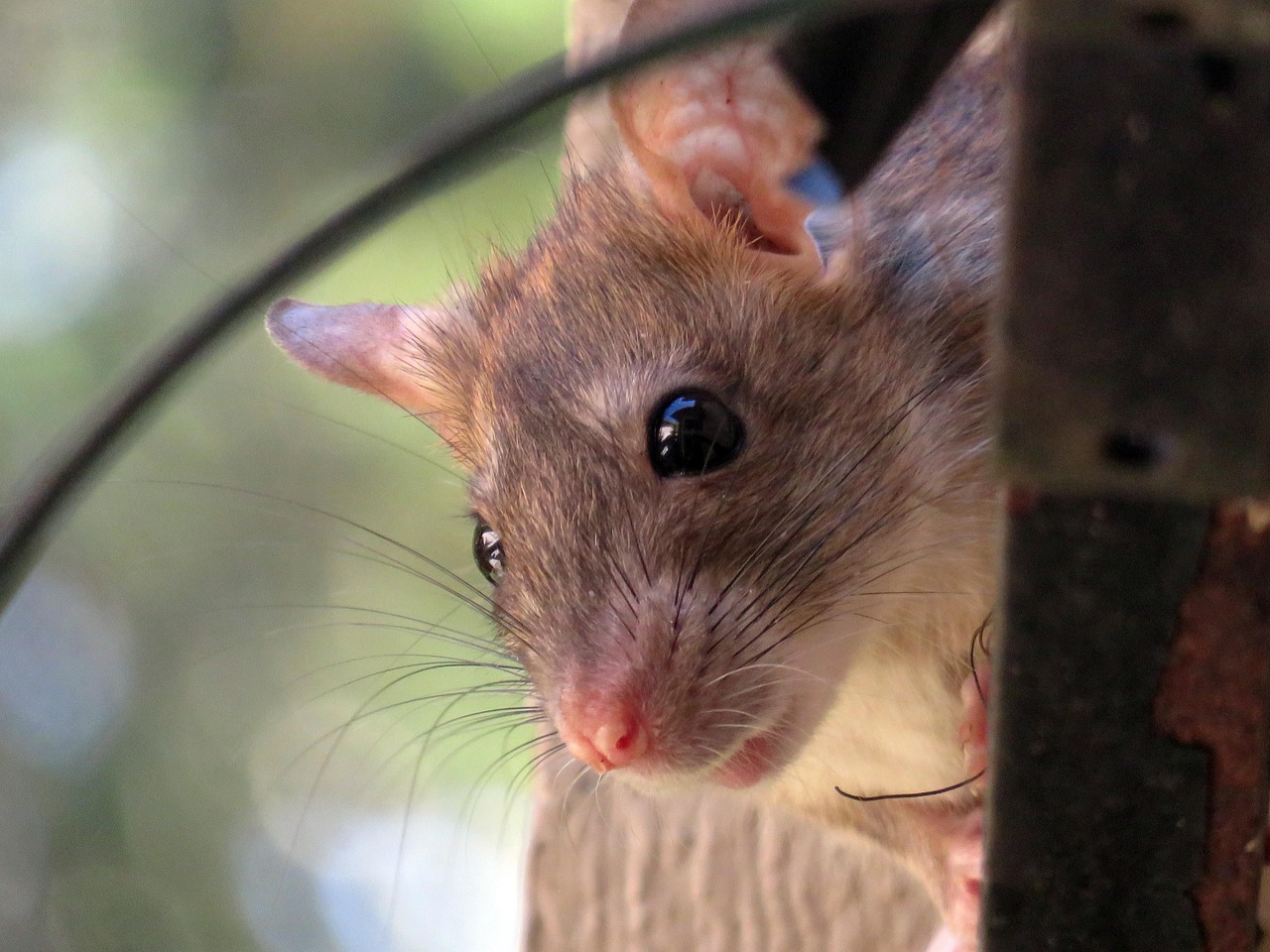
Rodent Exclusion Step 1: Inspect the Home Thoroughly
A thorough inspection is the foundation of effective exclusion. Pledge Pest Control technicians inspect both the interior and exterior of your home, focusing on the structural features rodents exploit most.
Key Inspection Zones
- Foundation and siding: Look for cracks, gaps, or holes where masonry meets wood.
- Roof and attic: Inspect soffits, fascia boards, roof intersections, and attic vents.
- Utility lines: AC lines, dryer vents, and plumbing pipes often have gaps around them.
- Garage: Inspect door seals, corners, and weatherstripping.
- Basement and crawlspaces: Look for gaps near windows, vents, and floor joists.
- Kitchens: Rodents often follow plumbing lines behind cabinets.
The Penn State Extension notes that a full perimeter inspection is crucial—rodents seldom rely on a single entry point.
Rodent Exclusion Step 2: Seal Gaps, Cracks, and Openings
After identifying vulnerabilities, the next step is sealing them with rodent-proof materials. Rodents can chew through foam, plastic, wood, rubber, and even thin metal—so choosing the right materials is essential.
Best Materials for Rodent Exclusion
- Steel wool (fine-grade) – Excellent for small holes; rodents cannot chew through it.
- Hardware cloth – Choose 1/4 inch galvanized mesh for sealing vents or larger gaps.
- Concrete patch or mortar – Ideal for foundation cracks or masonry gaps.
- Sheet metal or aluminum flashing – Used to reinforce high-risk structural areas.
- Copper mesh – Does not rust and works well around pipes.
- Silicone or polyurethane caulk – Used to finish and seal edges after steel wool or copper mesh is applied.
Never rely solely on spray foam—rodents can chew through it easily unless reinforced with metal mesh.
Critical Areas to Seal
Here are the highest-priority structural entry points:
- Gaps around pipes: Fill with steel wool or copper mesh, then seal.
- Cracks in the foundation: Patch with mortar or concrete filler.
- Holes in siding or brick: Seal with metal mesh and exterior caulk.
- Attic vents and roof gaps: Cover with hardware cloth and secure tightly.
- Crawlspace vents: Install rodent-resistant steel vent covers.
- Gaps under exterior doors: Install new weatherstripping or door sweeps.
- Garage door corners: Reinforce with heavy-duty rodent-proof seals.
Even a single unsealed opening can allow a mouse to enter—complete sealing is essential.
Rodent Exclusion Step 3: Reduce Attractants Around the Home
Even with sealed entry points, rodents may still attempt to enter if your yard or home gives them easy access to food, water, and nesting materials.
Eliminate Outdoor Rodent Attractants
- Store firewood at least 20 feet from the home and raise it off the ground.
- Keep trash cans tightly sealed with locking lids.
- Clean up fallen fruit around trees.
- Remove leaf piles, debris, or clutter near the foundation.
- Trim shrubs away from siding to reduce harborage sites.
- Fix dripping outdoor spigots.
The EPA recommends removing food and water sources before relying on rodent control products.
Eliminate Indoor Attractants
- Store pantry goods in airtight containers.
- Clean crumbs under appliances and inside cabinets.
- Repair leaky pipes.
- Declutter storage rooms and basements.
- Keep pet food in sealed bins.
Rodent exclusion only works long-term if attractants are minimized.
Rodent Exclusion Step 4: Address Interior Vulnerabilities
If rodents have already entered, exclusion must be paired with trapping and interior reinforcement.
Interior Areas to Inspect and Seal
- Behind stoves and refrigerators
- Under kitchen and bathroom sinks
- Inside utility rooms
- Under staircases
- Basement floor joists and sill plates
- Gaps around attic access points
Once rodents have found entry, they often create multiple travel paths. Sealing interior gaps prevents movement between rooms or levels.
Rodent Exclusion Step 5: Install Rodent-Proof Barriers
For homes with exceptional rodent pressure, additional barriers help protect vulnerable areas.
Examples of Rodent-Proof Barriers Include:
- Stainless steel chimney caps
- Rodent-resistant vent covers
- Drain covers or screens
- Metal kick plates on lower exterior doors
- Rodent guards on pipes
These physical barriers eliminate structural vulnerabilities without relying on chemicals.
Why DIY Exclusion Often Fails
Homeowners frequently underestimate rodent determination—and rodents exploit even tiny mistakes.
Common DIY failures include:
- Using foam alone instead of mesh + sealant
- Missing roofline or attic entry points
- Failing to inspect crawlspaces
- Leaving gaps under garage doors
- Ignoring pipe chases inside walls
- Not pairing exclusion with trapping during active infestations
Because rodents can chew through many common building materials, exclusion requires experience, the right tools, and detailed inspection.
When to Call a Professional for Rodent Exclusion
Professional rodent exclusion is recommended when:
- You’ve seen multiple rodents inside your home
- You hear scratching or movement at night
- Droppings appear regularly
- Entry points are difficult to access (rooflines, crawlspaces)
- You live in an older home with many structural gaps
- DIY exclusion hasn’t worked
Pledge Pest Control technicians use specialized equipment, commercial-grade sealants, and long-term strategies to keep rodents out permanently.
What Professional Rodent Exclusion Looks Like
Pledge Pest Control uses a multi-step exclusion process designed for long-lasting protection:
- Detailed inspection of interior, exterior, attic, and crawlspaces
- Identification of all current and potential entry points
- Trapping of any active rodents before sealing
- Full perimeter sealing using rodent-proof materials
- Installation of barriers on vents, pipes, and vulnerable zones
- Follow-up inspections to ensure exclusion holds
Our technicians ensure that rodents cannot re-enter once removed—a critical step DIY efforts often miss.
Key Takeaways
- Rodent exclusion is the most effective long-term solution for preventing mice and rats.
- Rodents enter through gaps as small as a dime—complete sealing is essential.
- Use steel wool, hardware cloth, metal flashing, and caulk for best results.
- Address moisture, food sources, and clutter to reduce rodent attractants.
- Call a professional when entry points are hidden, widespread, or difficult to access.
Pledge Pest Control: Your Rodent Exclusion Experts
Pledge Pest Control specializes in sealing, protecting, and fortifying homes against rodent intrusion. Our exclusion services provide lasting peace of mind and defend your home from future infestations.
If you suspect rodents or want to prevent costly intrusions, we’re here to help with tailored solutions for your home.
Ready to secure your home? Contact Pledge Pest Control today for expert rodent exclusion and professional sealing services.