
Seasonal Pest Calendar: What Pests to Expect & When

Pests don’t appear randomly. Their activity follows predictable seasonal patterns based on temperature, moisture, food availability, and breeding cycles. Understanding when certain pests are most active allows homeowners to take preventative action before infestations start.
This seasonal pest calendar from Pledge Pest Control breaks down what pests to expect throughout the year, why they appear when they do, and how proactive pest control keeps your home protected year-round.
Why Seasonal Pest Control Matters
Many homeowners only call for pest control once a problem becomes visible. Unfortunately, by the time you see pests, they have often already established nests or colonies inside walls, attics, or soil.
According to the EPA, preventative pest control based on seasonal activity is more effective and less costly than reactive treatment.
Seasonal planning helps you:
- Stop infestations before they start
- Reduce reliance on emergency treatments
- Protect your home’s structure
- Minimize health risks
- Maintain consistent, year-round protection
Spring Pest Activity (March – May)
Spring marks the beginning of peak pest season. As temperatures rise and moisture increases, insects and rodents become more active.
Common Spring Pests
- Ants – Begin foraging indoors for food and water
- Termites – Swarm during mating season
- Spiders – Become more visible as insects increase
- Wasps – Queens begin building nests
- Ticks – Emerge in grassy and wooded areas
Why These Pests Appear in Spring
Rising soil temperatures and spring rain create ideal breeding conditions. Termites swarm to establish new colonies, ants search for food, and wasps begin nest construction.
Spring Prevention Tips
- Seal cracks around windows, doors, and foundations
- Eliminate standing water
- Trim vegetation away from the home
- Schedule a termite inspection
- Begin preventative exterior treatments early
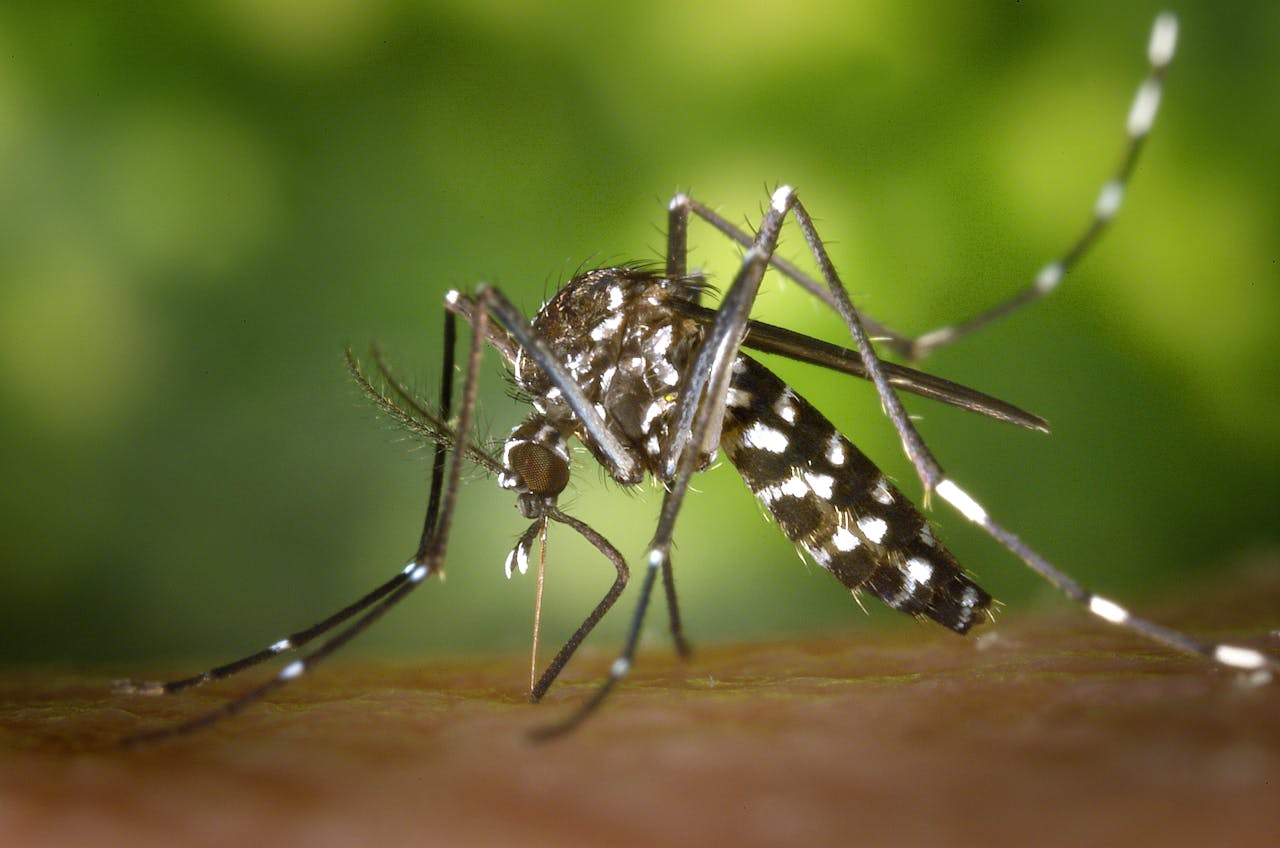
Summer Pest Activity (June – August)
Summer is the most active pest season. Warm temperatures accelerate reproduction, and outdoor activities increase human-pest interactions.
Common Summer Pests
- Mosquitoes – Thrive in heat and moisture
- Flies – Attracted to food, trash, and pet waste
- Cockroaches – Seek cool, moist indoor environments
- Wasps & Hornets – Aggressively defend growing nests
- Fleas – Active on pets and in shaded yards
Why These Pests Peak in Summer
According to the CDC, higher temperatures speed up insect life cycles, allowing populations to multiply rapidly. Standing water, open trash, and outdoor food sources fuel infestations.
Summer Prevention Tips
- Eliminate standing water weekly
- Secure trash cans tightly
- Clean outdoor eating areas promptly
- Use mosquito prevention treatments
- Inspect eaves and decks for wasp nests
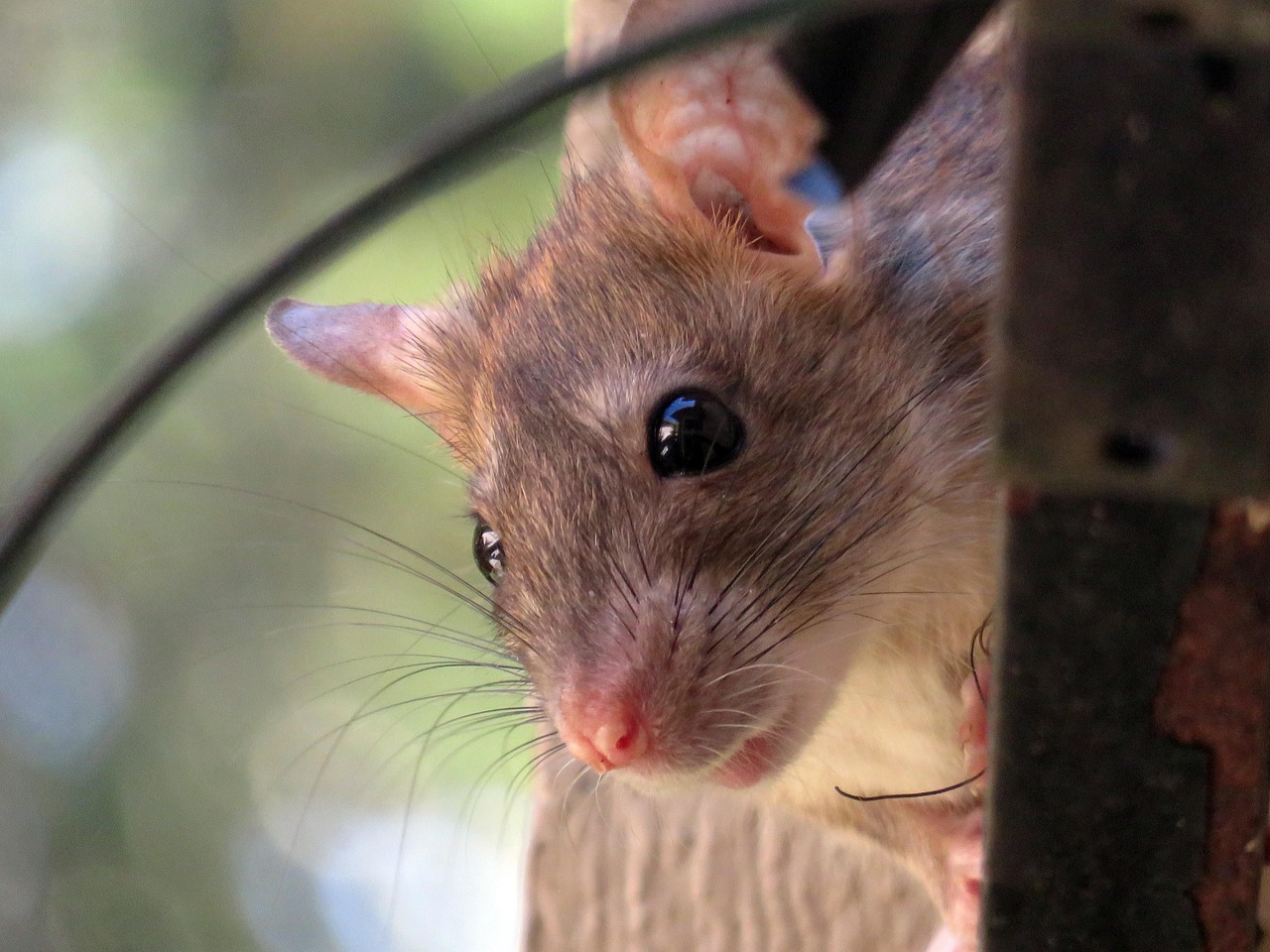
Fall Pest Activity (September – November)
As temperatures drop, many pests move indoors seeking warmth, shelter, and food.
Common Fall Pests
- Rodents (mice & rats) – Enter homes through gaps
- Spiders – Seek warmth and prey indoors
- Stink Bugs – Gather on exterior walls
- Boxelder Bugs – Cluster around sunny surfaces
- Earwigs – Move inside due to moisture changes
Why These Pests Appear in Fall
Shorter days and cooler nights signal pests to find overwintering locations. Homes offer stable temperatures and protection from predators.
Fall Prevention Tips
- Seal gaps around doors and utility lines
- Install door sweeps and repair weatherstripping
- Reduce exterior lighting that attracts insects
- Remove leaf piles and yard debris
- Schedule rodent exclusion services
Winter Pest Activity (December – February)
Although outdoor pest activity slows, many pests remain active indoors throughout winter.
Common Winter Pests
- Rodents – Nest in walls and attics
- Cockroaches – Hide in kitchens and bathrooms
- Spiders – Remain in basements and storage areas
- Stored-product pests – Infest pantry items
Why Pests Stay Active in Winter
Homes provide heat, food, and water year-round. According to the University of Missouri Extension, many pests do not hibernate and remain active indoors.
Winter Prevention Tips
- Inspect attics and basements for rodent activity
- Store food in airtight containers
- Eliminate moisture sources
- Maintain regular pest control service
- Check stored holiday decorations for pests
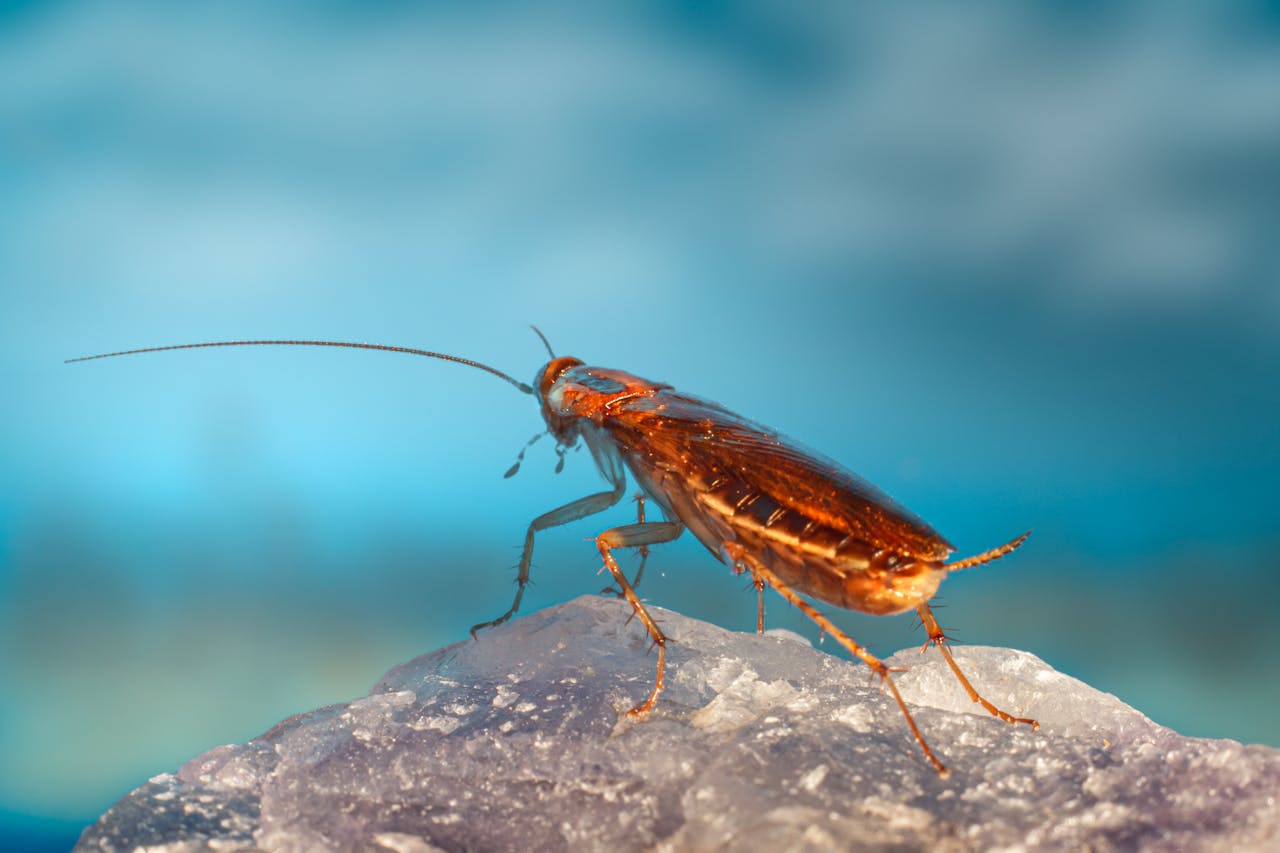
Year-Round Pests to Watch For
Some pests can be active any time of year:
- Ants
- Cockroaches
- Rodents
- Spiders
- Stored-product insects
Consistent maintenance and monitoring are the best defense.
Why a Seasonal Pest Control Plan Works Best
A year-round plan allows treatments to target pests before peak activity, creating a protective barrier that adjusts with the seasons.
Benefits include:
- Early detection
- Reduced infestation risk
- Fewer emergency calls
- Long-term cost savings
- Healthier living environment
DIY vs Professional Seasonal Pest Control
DIY products often address visible pests but fail to prevent seasonal migrations or hidden infestations. Professional services use targeted, season-specific treatments backed by monitoring and expertise.
Key Takeaways
- Pests follow predictable seasonal patterns
- Spring and summer bring insects; fall and winter bring rodents
- Preventative treatments work better than reactive fixes
- Seasonal planning reduces infestations and costs
- Year-round pest control provides consistent protection
Why Homeowners Choose Pledge Pest Control
Pledge Pest Control designs pest management programs based on seasonal activity, local conditions, and your home’s specific risks.
- Customized seasonal treatments
- Proactive inspections and monitoring
- Family- and pet-safe solutions
- Expert technicians who understand pest behavior
- Reliable year-round protection
Stay ahead of pests all year. Contact Pledge Pest Control today to create a seasonal pest control plan tailored to your home.