
Termite Treatment in Platte County: Options, Process, and What to Expect
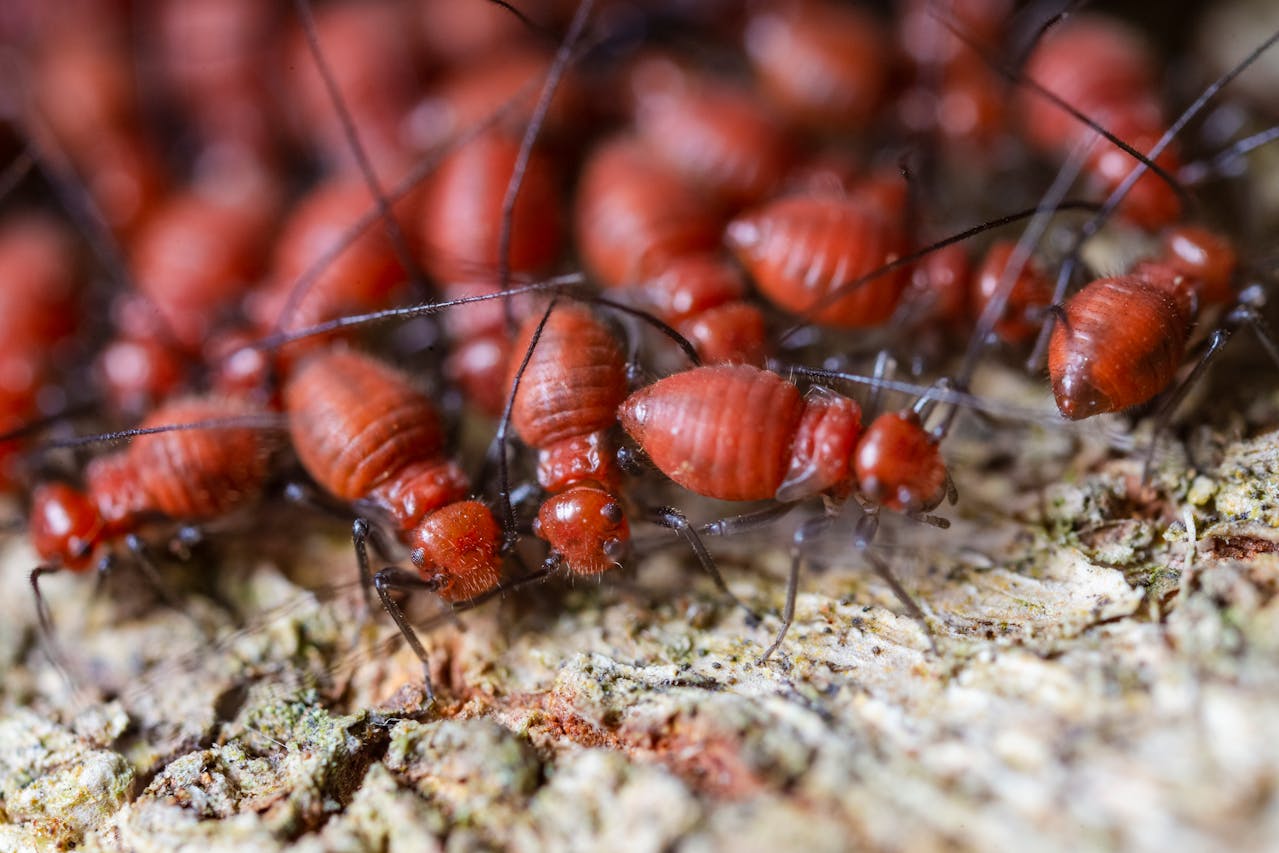
Termites are a serious concern for homeowners throughout Platte County, Missouri. Because termite activity often occurs out of sight—inside walls, under floors, and below ground—many infestations go undetected until damage becomes extensive. When termites are confirmed, prompt and appropriate treatment is critical to protecting the structure of the home.
This guide explains the most common termite treatment options used in Platte County, how treatments work, when they are recommended, and what homeowners should know before moving forward.
Why Termite Treatment Is Important in Platte County
Platte County lies within a region where subterranean termites are the primary threat to residential structures. These termites live underground and access homes through soil, foundation cracks, and moisture-prone areas.
According to the U.S. Environmental Protection Agency (EPA), termite damage can remain hidden for years and is rarely covered by homeowners insurance, making prevention and early treatment especially important.
Factors That Increase Termite Risk in Platte County
- Clay-heavy soils that retain moisture
- Seasonal rainfall and humidity
- Homes with basements or crawlspaces
- Older construction with untreated wood
- Wood-to-soil contact around foundations
What Is Termite Treatment?
Termite treatment refers to professional methods used to eliminate active termite colonies and prevent future infestations. Treatments are designed to either remove termites from the structure, block their access, or eliminate colonies at their source.
The appropriate treatment depends on several factors, including the extent of activity, construction type, and environmental conditions.
Common Termite Treatment Options Used in Platte County
Professional termite treatment typically falls into one of the following categories.
1. Liquid Soil Barrier Treatments
Liquid treatments involve applying a termiticide to the soil around and beneath the foundation to create a protective barrier.
How Soil Treatments Work
- Termiticides bind to soil around the foundation
- Termites passing through the barrier are eliminated
- Colony members are affected through transfer
Soil treatments are commonly used for existing homes and during construction.
2. Termite Baiting Systems
Baiting systems use monitoring stations placed around the perimeter of the home. When termites are detected, bait is introduced to eliminate the colony.
Advantages of Baiting Systems
- Lower chemical use
- Colony-level elimination
- Continuous monitoring
The University of Missouri Extension notes that baiting systems are effective when properly monitored and maintained.
3. Targeted Spot Treatments
Spot treatments may be used in localized infestations but are rarely sufficient as a standalone solution for subterranean termites.
4. Preventative Pre-Treatments
For new construction, pre-treatment of soil and foundations provides long-term termite protection.
How Professionals Determine the Right Treatment
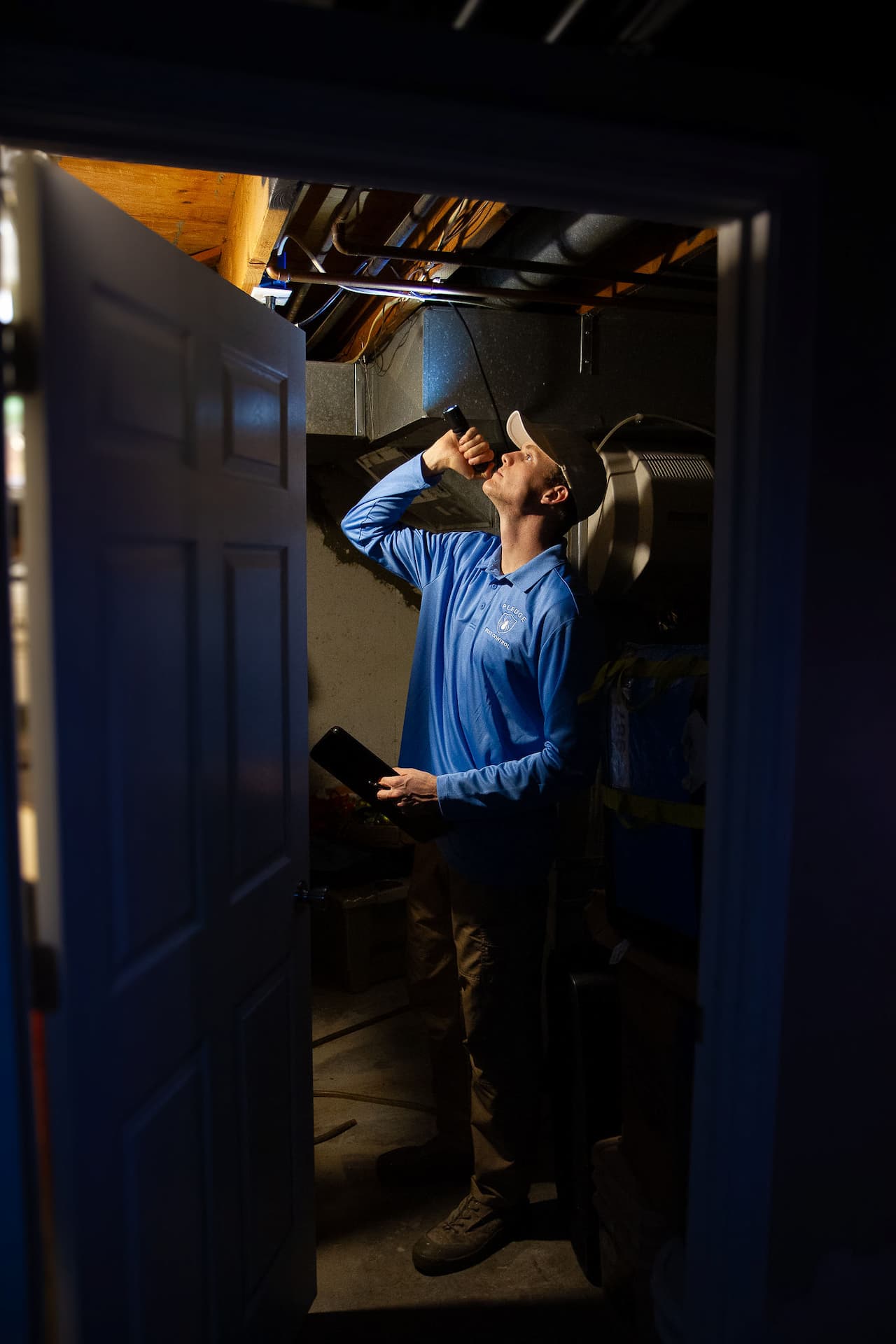
Choosing the correct termite treatment requires a thorough inspection and risk assessment.
Key Factors Considered
- Presence of active termites
- Extent of damage
- Construction type and foundation design
- Soil conditions
- Moisture levels
- Previous termite history
What to Expect During Termite Treatment
While treatment methods vary, homeowners can generally expect the following process.
Inspection and Planning
- Review of inspection findings
- Discussion of treatment options
- Explanation of expected outcomes
Treatment Application
- Exterior soil treatment or bait installation
- Interior access if required
- Minimal disruption to the home
Post-Treatment Monitoring
- Follow-up inspections
- Monitoring of bait stations (if applicable)
- Ongoing risk evaluation
How Long Does Termite Treatment Last?
Termite treatments are designed to provide long-term protection, but no method lasts forever without monitoring.
- Soil treatments may last several years depending on conditions
- Bait systems require ongoing monitoring
- Annual inspections are strongly recommended
DIY Termite Treatment: Why It’s Not Recommended
DIY termite products rarely reach the colony and often provide a false sense of security.
Limitations of DIY Methods
- Do not eliminate underground colonies
- Cannot create complete soil barriers
- Miss hidden damage
- Delay proper treatment
Preventing Future Termite Problems
Effective termite treatment should be paired with preventative measures.
Recommended Prevention Steps
- Eliminate wood-to-soil contact
- Address moisture and drainage issues
- Seal foundation cracks
- Schedule annual termite inspections
Key Takeaways
- Termites are a common threat throughout Platte County
- Professional treatment is essential once activity is confirmed
- Soil treatments and bait systems are the most effective options
- Annual inspections help prevent future damage
- DIY treatments are not sufficient for subterranean termites
Working With a Local Termite Professional
Because termite behavior and risk vary by region, working with a local provider familiar with Platte County conditions ensures accurate treatment recommendations.
Pledge Pest Control provides termite treatment services designed around inspection findings, local soil conditions, and long-term protection goals—helping homeowners make informed decisions without unnecessary pressure.
If termites have been identified on your property, timely professional treatment is the most effective way to protect your home and investment.