
Tick Prevention Tips for Tracy, Missouri Homeowners
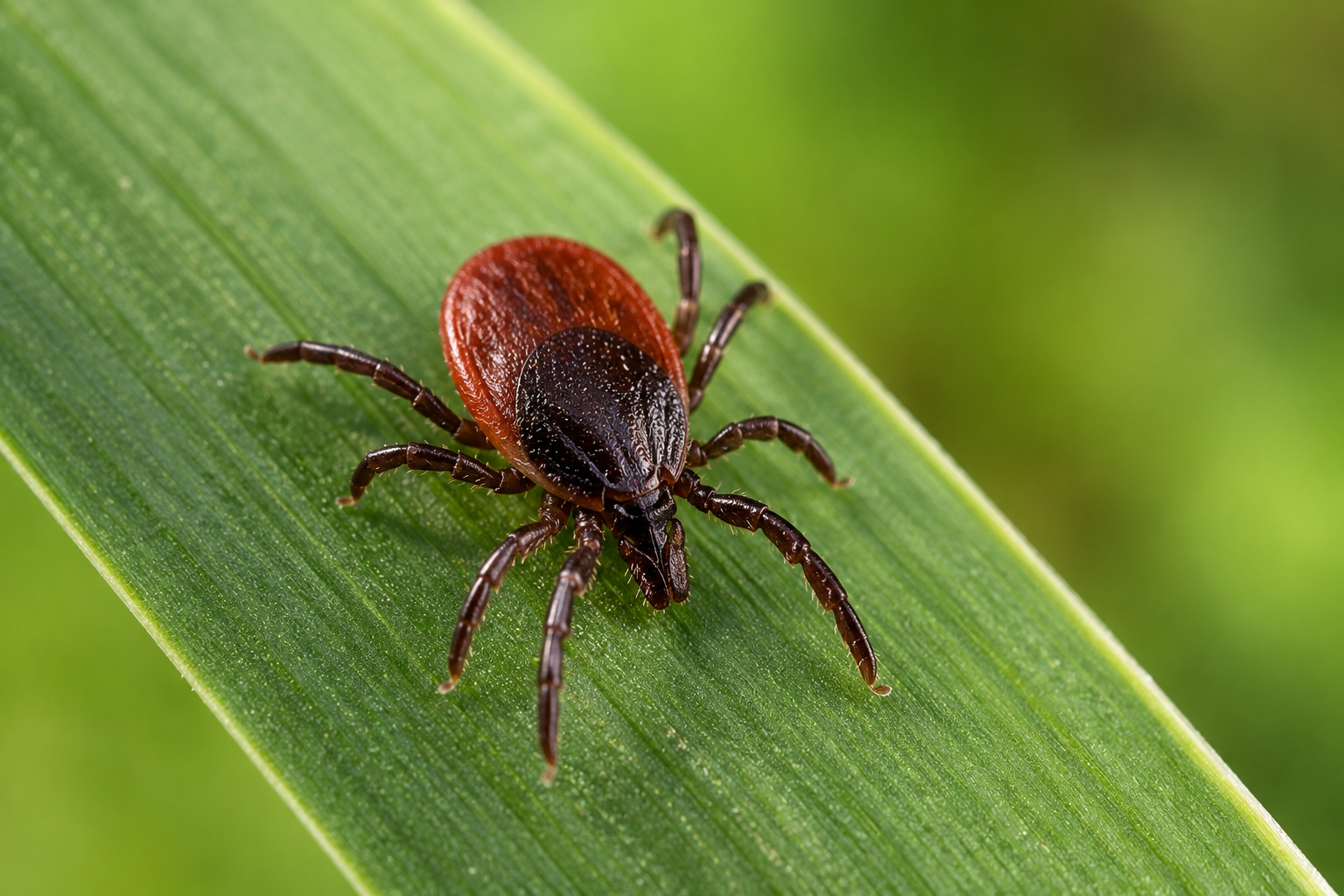
Ticks may be small, but they can create big problems for homeowners, families, and pets. In Tracy, Missouri, ticks become especially active during the warmer months, hiding in tall grass, wooded areas, and overgrown landscaping while waiting for a host to pass by. Once attached, they can be difficult to detect and may transmit diseases that affect both people and animals.
The good news is that most tick problems can be reduced—or even prevented—with the right combination of yard maintenance, personal protection, and routine inspections. This guide covers practical, science-backed tick prevention tips specifically for homeowners in Tracy and the surrounding Platte County area.
Quick Answer: The best way to prevent ticks is to keep your lawn trimmed, eliminate brush and leaf litter, discourage wildlife, protect pets, perform regular tick checks, and reduce the shaded, humid areas where ticks thrive. If your property consistently has high tick activity, a professional evaluation may be worthwhile.
Why Are Ticks Common in Tracy, Missouri?
Ticks thrive in environments that provide moisture, shade, and access to wildlife hosts. Tracy’s mix of wooded areas, open fields, residential neighborhoods, and seasonal rainfall creates favorable conditions for several tick species.
According to the University of Missouri Extension, ticks are commonly found in areas where deer, rodents, rabbits, and other wildlife frequently travel.
Factors That Increase Tick Activity
- Mild winters
- Wet spring weather
- Tall grass and weeds
- Wooded property lines
- Dense landscaping
- Frequent wildlife activity
Even well-maintained neighborhoods can experience tick activity if nearby habitat supports wildlife.
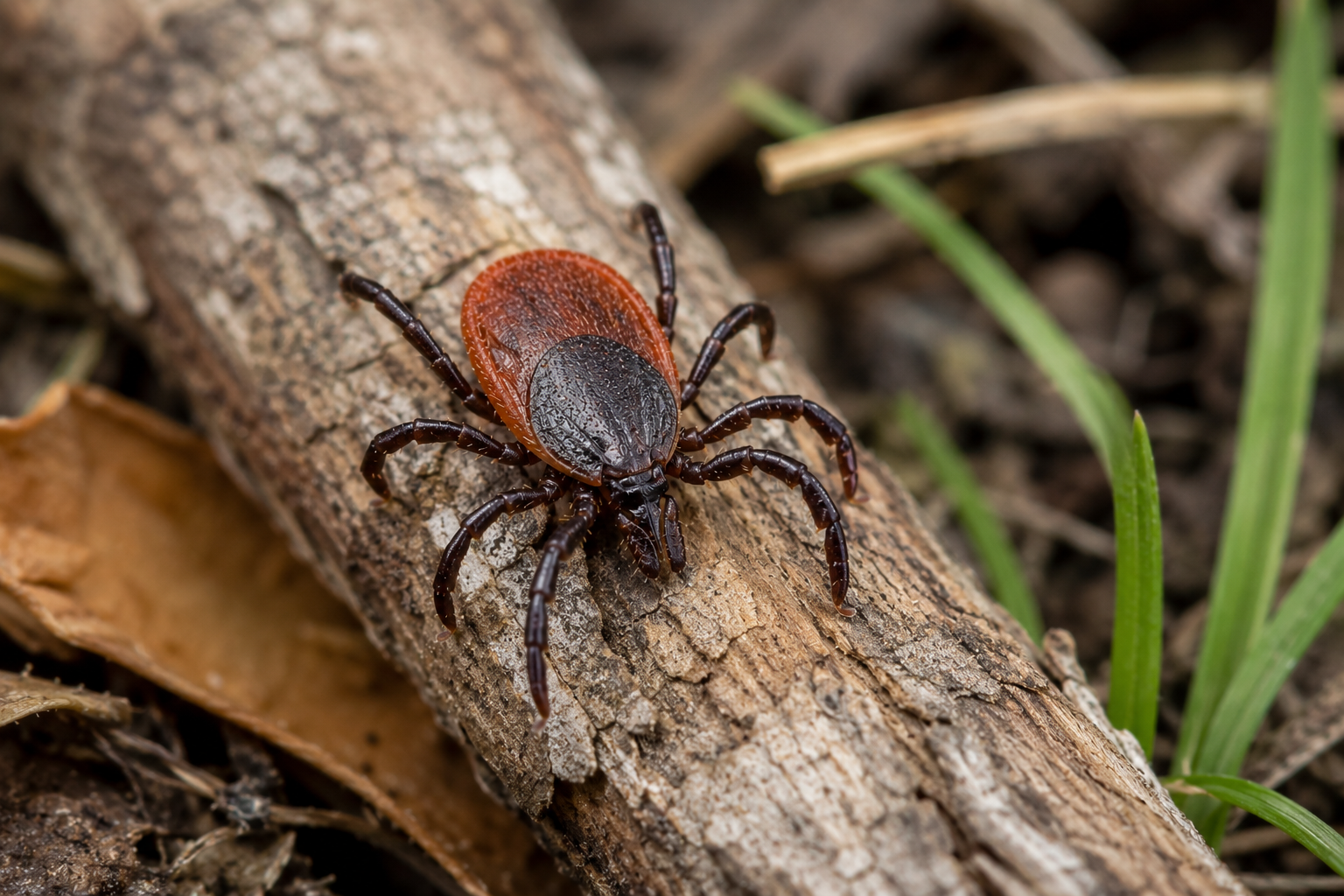
When Is Tick Season in Missouri?
While ticks can be found throughout much of the year, activity typically increases in early spring and remains high through the summer and early fall.
- Spring: Adult ticks become active after winter.
- Summer: Peak activity for many species.
- Fall: Activity continues until colder temperatures arrive.
- Winter: Some ticks remain active during mild weather.
Because tick season lasts several months, prevention should be an ongoing effort rather than a one-time task.
Where Do Ticks Hide Around Your Property?
Unlike mosquitoes, ticks do not fly. They wait on vegetation and attach themselves when a person or animal brushes past.
Common Tick Hotspots
- Tall grass
- Wood lines
- Leaf piles
- Brush and shrubs
- Landscape beds
- Along fences
- Areas where pets roam
- Edges between lawns and wooded areas
Ticks generally avoid sunny, dry lawns and instead seek shaded areas with higher humidity.
8 Tick Prevention Tips That Actually Work
1. Keep Grass Cut Short
Mow your lawn regularly to reduce shade and humidity near the ground. Short grass creates a less favorable environment for ticks.
2. Remove Leaf Litter
Leaves and organic debris trap moisture, creating ideal hiding places. Rake leaves regularly, especially near wooded areas.
3. Trim Landscaping
Prune shrubs and keep vegetation from touching the exterior of your home. Improved airflow helps reduce moisture.
4. Create Separation Between Woods and Lawn
If your property borders woods, consider creating a gravel or mulch border to discourage tick migration into frequently used areas.
5. Discourage Wildlife
Deer, rodents, and rabbits commonly carry ticks.
- Secure trash containers
- Avoid feeding wildlife
- Store bird seed properly
- Remove brush piles
6. Protect Your Pets
Dogs and outdoor cats often bring ticks into the home. Talk with your veterinarian about preventative medications and check pets after spending time outdoors.
7. Perform Tick Checks
After hiking, yard work, or spending time outdoors, inspect yourself and family members carefully. Pay close attention to:
- Behind knees
- Armpits
- Hairline
- Waistband
- Behind ears
The Centers for Disease Control and Prevention (CDC) recommends checking for ticks as soon as possible after coming indoors.
8. Reduce Moisture Around the Yard
Improve drainage, repair leaking irrigation, and avoid overwatering landscaping. Drier conditions make your property less attractive to ticks.
Why Are There More Ticks Some Years?
Many homeowners notice that one year seems much worse than another. Several environmental factors contribute to larger tick populations.
- Mild winters allow more ticks to survive.
- Wet springs increase humidity.
- High deer populations support reproduction.
- Large rodent populations provide additional hosts.
- Reduced natural predators may increase survival.
Weather patterns can dramatically influence tick numbers from year to year.
How to Protect Children and Pets
Children and pets often spend more time playing in grassy areas where ticks wait.
- Keep children on maintained paths.
- Dress children in light-colored clothing when hiking.
- Use EPA-approved repellents according to label directions.
- Check pets after every outdoor walk.
- Wash outdoor clothing after spending time in wooded areas.
Common Tick Prevention Mistakes
- Only treating the backyard while ignoring side yards.
- Letting grass grow too long.
- Ignoring wooded property edges.
- Skipping tick checks after outdoor activities.
- Assuming one yard treatment lasts forever.
Tick prevention works best when multiple strategies are combined.
When DIY Prevention May Not Be Enough
Good yard maintenance significantly reduces tick habitat, but some properties continue experiencing heavy tick pressure due to surrounding woods, wildlife traffic, or neighboring unmanaged land.
If you’re finding ticks regularly despite prevention efforts, it may be time to have your property evaluated. A professional can identify high-risk areas and recommend additional management strategies based on your property’s layout and environment.
Frequently Asked Questions
Do ticks jump or fly?
No. Ticks crawl and wait on vegetation until a person or animal brushes against them.
Can ticks live in a mowed lawn?
They generally prefer taller grass and shaded areas, although they may cross short grass while searching for a host.
Can pets bring ticks inside?
Yes. Dogs are one of the most common ways ticks enter homes.
Does removing standing water reduce ticks?
Standing water is more closely associated with mosquitoes, but improving drainage can reduce humidity that favors ticks.
Should I inspect my yard every week?
Regularly checking your yard for overgrowth, leaf litter, and wildlife activity is a good habit throughout tick season.
Key Takeaways
- Ticks are common throughout Tracy and Platte County.
- Prevention starts with good yard maintenance.
- Reducing wildlife activity helps reduce tick populations.
- Routine tick checks protect both people and pets.
- Properties bordering wooded areas often require extra attention.
Protecting Your Tracy Property Year-Round
Tick prevention is most effective when it’s part of an overall pest management strategy. Maintaining your landscaping, monitoring your property, and addressing problem areas early can significantly reduce tick activity throughout the season.
For homeowners who continue experiencing recurring tick issues despite preventative efforts, Pledge Pest Control can evaluate your property and recommend solutions tailored to your yard’s unique conditions. A proactive approach helps you enjoy your outdoor spaces with greater confidence throughout Missouri’s tick season.
Healthy lawns and well-maintained landscapes don’t just improve curb appeal—they’re also one of your best defenses against ticks and other outdoor pests.