
Ants in Kitchen: How to Get Rid of Them Fast and Keep Them Gone
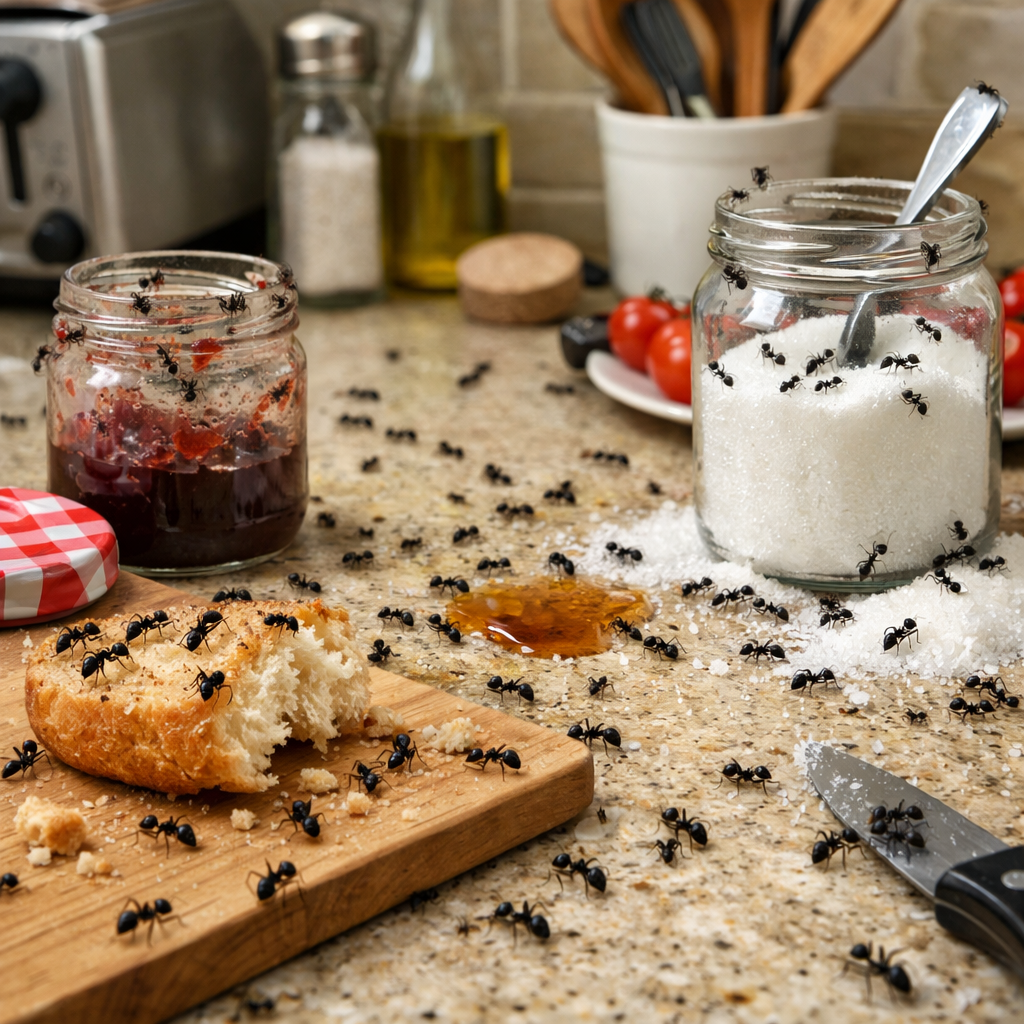
If you’ve ever walked into your kitchen and found a line of ants marching across your counter, you’re not alone. One of the most common pest complaints homeowners have is ants in the kitchen. They often seem to appear overnight—and if not handled properly, they can return again and again.
This guide explains exactly how to get rid of ants in your kitchen, why they show up in the first place, and what you need to do to keep them from coming back.
Why Are Ants in Your Kitchen?
Ants enter kitchens for one main reason: food and moisture. Even small crumbs, spills, or residue can attract scout ants, which then leave a scent trail for the rest of the colony to follow.
Common Reasons Ants Invade Kitchens
- Food crumbs or spills on counters and floors
- Sugary substances (juice, soda, honey)
- Grease or cooking residue
- Pet food left out
- Moisture from sinks or leaks
According to the EPA, ants use scent trails to guide other ants directly to food sources, which is why infestations can grow quickly.
Why Ants Appear Suddenly (Overnight)
Many homeowners notice ants seemingly appearing overnight. This happens because scout ants are constantly searching for food. Once one finds a reliable source, it signals the colony, and dozens—or hundreds—follow within hours.
This rapid buildup is why quick action is important.
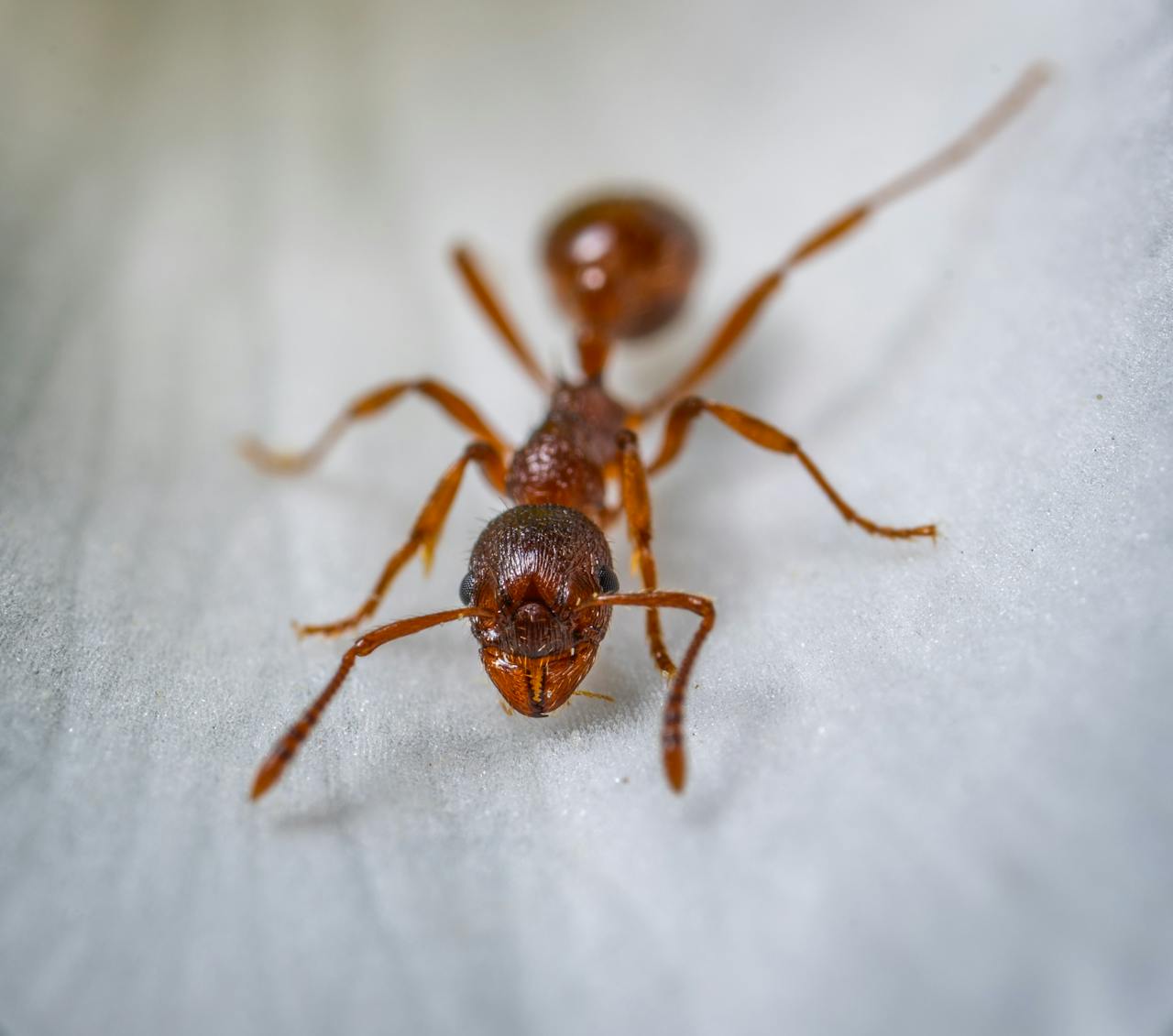
Step-by-Step: How to Get Rid of Ants in Your Kitchen
To eliminate ants effectively, you need to target both the ants you see and the colony you don’t.
Step 1: Clean and Remove Food Sources
Start by eliminating what’s attracting them.
- Wipe down counters with disinfectant
- Sweep and mop floors
- Clean under appliances
- Store food in airtight containers
- Take out trash regularly
Even small amounts of food can sustain an ant colony.
Step 2: Disrupt Ant Trails
Ants rely on scent trails to navigate.
- Use vinegar and water to wipe surfaces
- Clean along baseboards and entry points
- Repeat cleaning daily if activity continues
This removes the chemical trail ants use to guide others.
Step 3: Use Ant Baits (Most Effective Method)
Ant baits are the most reliable way to eliminate the entire colony.
- Place bait near trails (not directly on them)
- Use sugar-based or protein-based bait depending on the species
- Allow ants to carry bait back to the colony
It may seem counterintuitive, but you may see more ants at first—this is a sign the bait is working.
Step 4: Seal Entry Points
Once activity decreases, prevent ants from returning.
- Seal cracks around windows and doors
- Caulk gaps along baseboards
- Seal openings around pipes and wiring
Even tiny gaps can allow ants to re-enter your home.
Step 5: Address Moisture Issues
- Fix leaky faucets or pipes
- Dry out damp areas under sinks
- Improve ventilation if needed
Moisture attracts ants and supports colony survival.
What NOT to Do When You Have Ants
Many common mistakes actually make ant problems worse.
Avoid These Mistakes
- Spraying ants directly (can cause colony splitting)
- Using strong repellent chemicals near bait
- Removing bait too early
- Ignoring outdoor nests
Spraying ants may kill the ones you see but often spreads the infestation.
Natural Remedies: Do They Work?
Some homeowners prefer natural solutions. While these can help temporarily, they rarely eliminate the colony.
Common Natural Options
- Vinegar (disrupts scent trails)
- Diatomaceous earth (kills ants on contact)
- Peppermint oil (repellent effect)
These methods are best used alongside more effective treatments like baiting.
Why Ants Keep Coming Back
If ants keep returning, the root problem hasn’t been solved.
Common Reasons for Recurring Ant Problems
- The colony was not eliminated
- Multiple nests are present
- Entry points remain open
- Food sources are still accessible
- Moisture issues persist
Ant colonies can relocate or split, making complete elimination more complex.
When to Call a Professional
You should consider professional help if:
- Ants return after repeated treatments
- You see ants in multiple areas of the home
- You suspect nests inside walls
- DIY methods have failed
Professional pest control identifies the species, targets the colony, and prevents recurrence.
How Professional Ant Control Works
Professional services typically include:
- Species identification
- Targeted baiting strategies
- Exterior perimeter treatments
- Entry point sealing recommendations
- Follow-up monitoring
This approach ensures long-term control rather than temporary relief.
Key Takeaways
- Ants enter kitchens for food and moisture
- Baiting is the most effective solution
- Cleaning and sanitation are essential
- Sealing entry points prevents recurrence
- Professional help may be needed for persistent infestations
Keeping Your Kitchen Ant-Free Long-Term
Consistent cleaning, proper food storage, and periodic inspection of entry points can go a long way in preventing ants from returning.
Pledge Pest Control provides targeted ant control solutions designed to eliminate colonies and keep homes protected long-term—especially for recurring or difficult infestations.
Dealing with ants in your kitchen? Acting quickly and using the right approach makes all the difference in getting rid of them for good.