
Best Pest Control Methods for Ants: A Complete Homeowner Guide
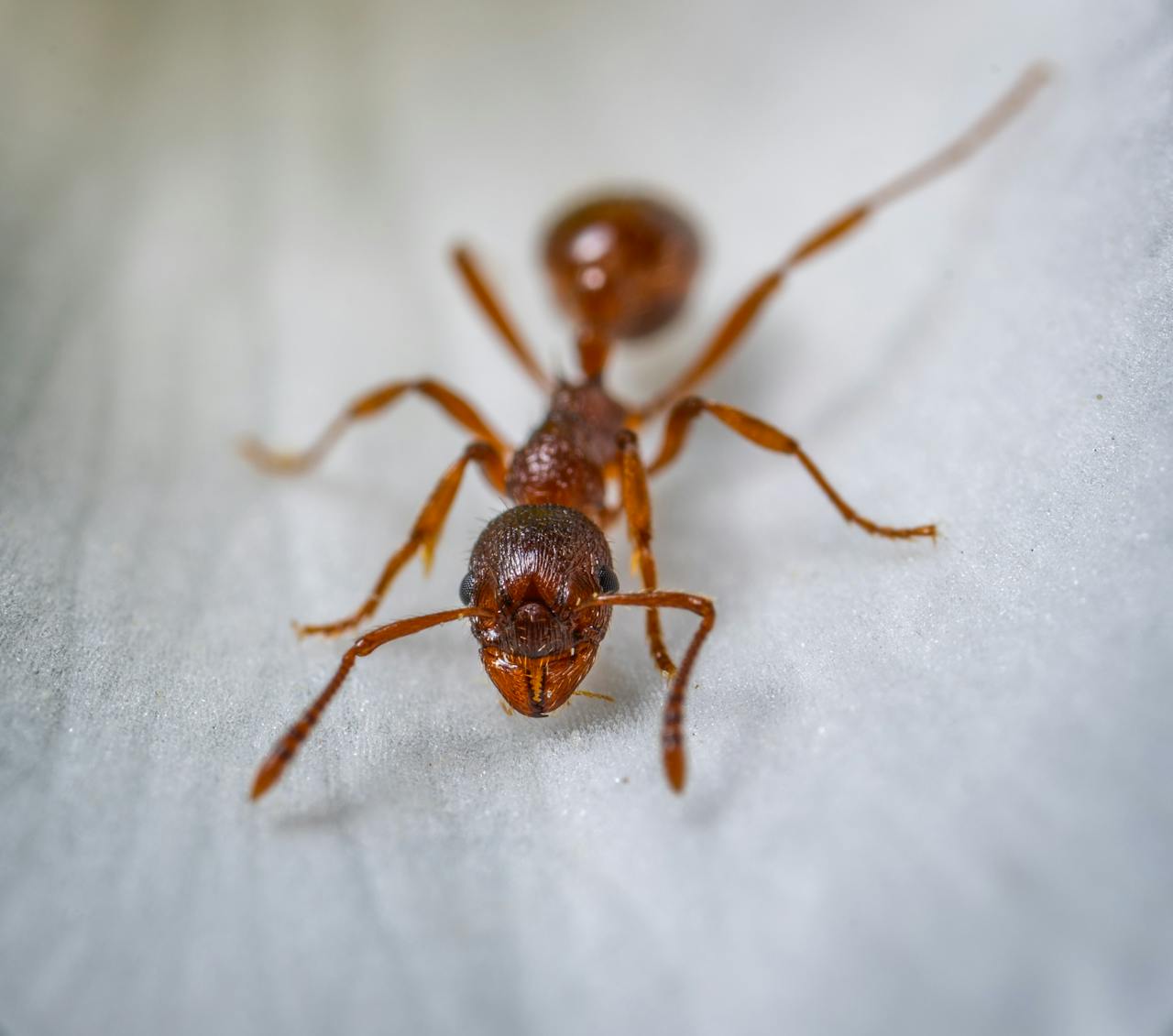
Ants are one of the most common household pests—and also one of the most misunderstood. Many homeowners try sprays or home remedies, only to see ants return days later in even greater numbers. That’s because effective ant control requires more than killing the ants you see. It requires eliminating the colony at its source.
In this in-depth guide, Pledge Pest Control explains the best pest control methods for ants, how ant infestations start, why some treatments fail, and what actually works to keep ants out of your home long-term.
Why Ants Are So Difficult to Eliminate
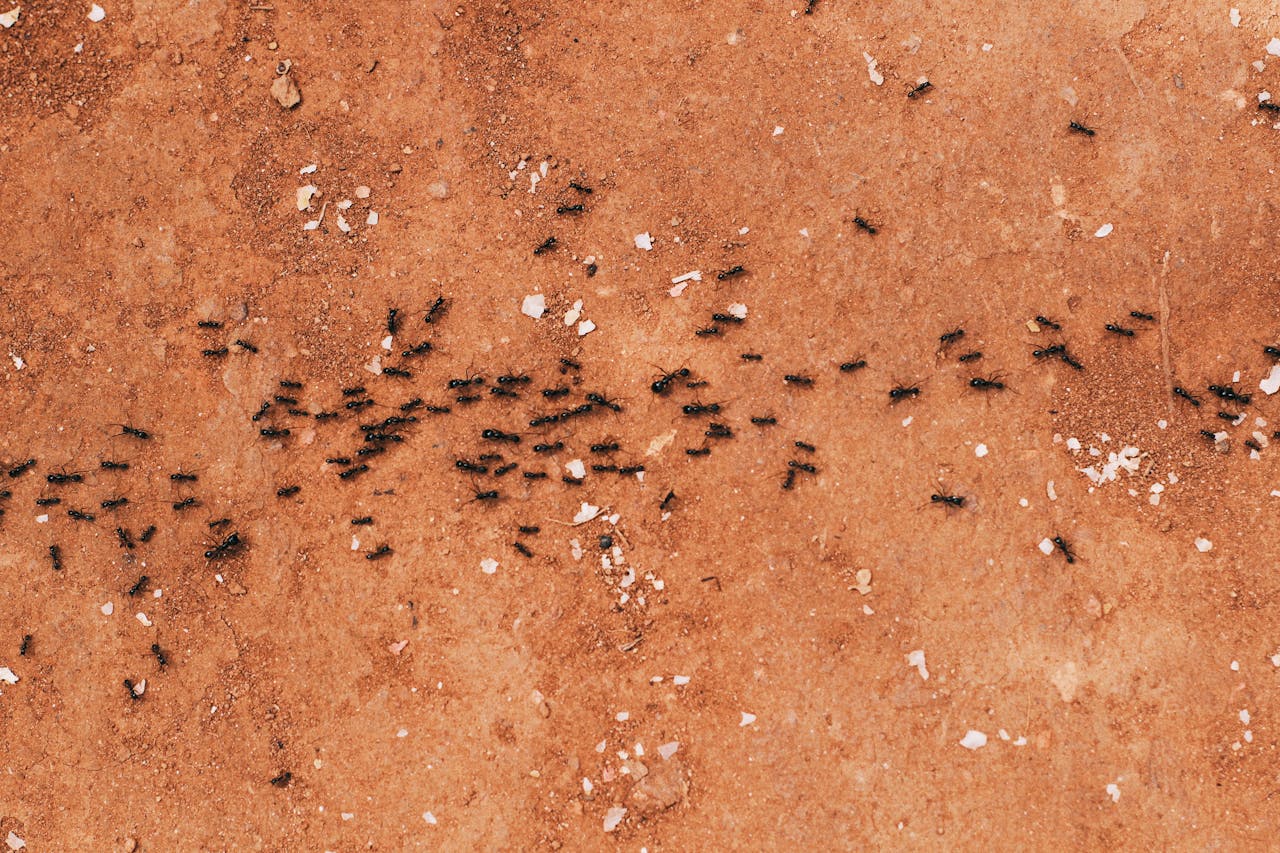
Ants are social insects that live in large colonies, often containing thousands—or even millions—of workers. When you see ants inside your home, you’re usually seeing only a small fraction of the population.
According to the EPA, most ant infestations persist because treatments fail to reach the nest or queen.
How Ant Colonies Work
- Worker ants forage for food and leave scent trails.
- Scout ants locate resources and signal others.
- The queen reproduces continuously.
- Colonies may relocate or split when threatened.
Spraying visible ants often makes the problem worse by causing colonies to split into multiple nests—a process called budding.
Common Ant Species Found in Homes
Different ant species require different treatment strategies. Identifying the species helps determine the most effective control method.
Common Household Ants
- Odorous House Ants – Attracted to sweets; emit a musty odor when crushed.
- Pavement Ants – Nest under concrete slabs and foundations.
- Carpenter Ants – Tunnel through wood and can cause structural damage.
- Pharaoh Ants – Extremely difficult to control; prone to colony splitting.
- Fire Ants – Aggressive and capable of painful stings.
Each species responds differently to baits, barriers, and treatments.
Best Pest Control Methods for Ants (Ranked by Effectiveness)
The following methods are ranked based on long-term effectiveness, safety, and success rate.
1. Ant Baiting (Most Effective Method)
Baits are the gold standard for ant control because they exploit ant behavior rather than fighting against it.
Ant baits contain slow-acting insecticides mixed with food attractants. Worker ants carry the bait back to the nest, feeding it to the queen and other colony members.
Why Baits Work Best
- Target the entire colony, not just visible ants
- Reduce colony size over time
- Prevent reproduction by killing the queen
- Less chemical exposure compared to sprays
How to Use Ant Baits Properly
- Place baits near ant trails, not directly on them
- Avoid spraying near baits
- Be patient—activity may increase temporarily
- Use species-appropriate bait (sugar vs. protein)
According to the University of California IPM Program, baiting is the most reliable way to eliminate ant colonies.
2. Exterior Perimeter Treatments
Perimeter treatments create a protective barrier around the foundation of the home to prevent ants from entering.
What Perimeter Treatments Do
- Interrupt ant entry points
- Kill foraging ants before they enter
- Reduce pressure on interior spaces
Best Areas for Perimeter Treatment
- Foundation walls
- Entry points and door thresholds
- Utility penetrations
- Windows and vents
Perimeter treatments are most effective when combined with baiting.
3. Exclusion: Sealing Entry Points
Ants enter homes through tiny gaps and cracks. Exclusion blocks access and supports long-term prevention.
Key Areas to Seal
- Cracks in foundations
- Gaps around windows and doors
- Utility line openings
- Siding seams
Seal gaps with caulk or appropriate sealants after active infestations are addressed.
4. Sanitation and Food Management
Ants are driven by food and moisture. Removing attractants significantly reduces activity.
Effective Sanitation Tips
- Store food in airtight containers
- Wipe down counters daily
- Clean spills immediately
- Take trash out regularly
- Feed pets on a schedule and remove leftovers
The CDC notes that sanitation is a core part of integrated pest management.
5. Moisture Control
Many ant species are attracted to moisture. Addressing leaks and humidity helps reduce infestations.
Moisture Reduction Strategies
- Fix leaky faucets and pipes
- Use exhaust fans in kitchens and bathrooms
- Dehumidify damp areas
- Repair exterior drainage issues
6. Interior Spot Treatments (Limited Use)
Spot treatments can help reduce visible ants but should never be the primary control method.
When Spot Treatments Are Appropriate
- Temporary relief while baits work
- Isolated trails away from nests
- Non-repellent formulations only
Repellent sprays often cause ants to scatter and create new entry points.
7. Natural and DIY Methods (Supplemental Only)
Natural remedies may help deter ants but rarely eliminate colonies.
Common DIY Options
- Vinegar (disrupts scent trails)
- Diatomaceous earth (kills ants on contact)
- Essential oils (peppermint, tea tree)
These methods work best as short-term deterrents, not solutions.
Why DIY Ant Control Often Fails
Many homeowners unintentionally worsen infestations by:
- Using sprays that repel instead of eliminate
- Killing workers without addressing the queen
- Failing to identify the ant species
- Removing baits too early
- Ignoring exterior nests
Ant colonies adapt quickly, making professional strategies more reliable.
Professional Ant Control: What Makes It Different
Pledge Pest Control uses an integrated approach:
- Species identification
- Targeted bait selection
- Perimeter protection
- Interior treatments when needed
- Exclusion and prevention
- Ongoing monitoring
This approach eliminates colonies and prevents future infestations.
When to Call a Professional for Ant Control
You should contact a professional if:
- Ants return after repeated DIY treatments
- You see ants in multiple rooms
- You suspect carpenter ants
- You notice ants year-round
- Colonies are nesting inside walls or foundations
Key Takeaways
- Baiting is the most effective ant control method
- Sprays alone rarely solve ant problems
- Sanitation and exclusion support long-term control
- Different ant species require different strategies
- Professional treatment offers the most reliable results
Why Homeowners Choose Pledge Pest Control
Pledge Pest Control delivers proven ant control solutions designed to eliminate infestations at the source. Our technicians combine experience, science-based methods, and preventative strategies to keep your home ant-free.
- Customized ant control plans
- Safe, targeted treatments
- Long-term prevention strategies
- Reliable service and follow-up
Seeing ants in your home? Contact Pledge Pest Control today for expert ant control solutions that work.