
How to Get Rid of Termites in Platte City
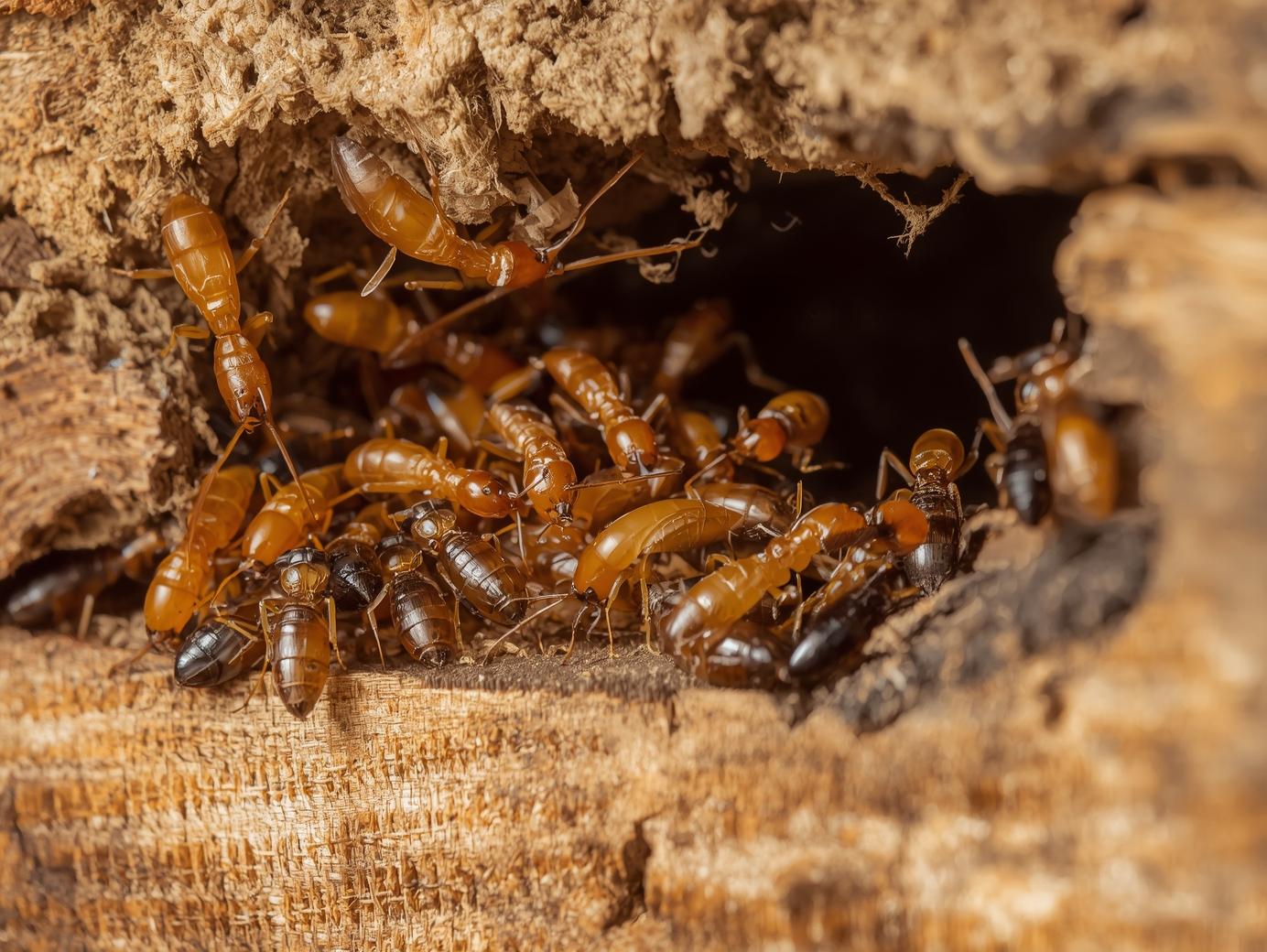
Termites are one of the most destructive pests homeowners face, causing billions of dollars in damage nationwide each year. In areas like Platte City, Missouri, where humidity, soil conditions, and seasonal moisture create ideal environments for termite activity, staying proactive is essential. If you’re wondering how to get rid of termites—and how to keep them from coming back—this guide from Pledge Pest Control gives you everything you need to know.
Whether you’re dealing with subterranean termites (the most common in Missouri) or you’re trying to prevent infestations in the first place, this comprehensive guide walks you through identification, treatment, prevention, and when to call a professional.
Why Termites Are a Major Threat in Platte City
Platte City homeowners face higher termite pressure due to the area’s soil moisture, older home foundations, wooden structures, and seasonal weather fluctuations. Termites are active year-round in Missouri—even during winter—because subterranean colonies stay warm underground.
According to the EPA, most homeowners don’t realize they have termites until extensive damage has already occurred.
Common Termites Found in Platte City
- Subterranean Termites – The most common and destructive; live underground and enter homes through soil-to-wood contact or foundation gaps.
- Formosan Subterranean Termites – More aggressive; less common but spreading across the Midwest.
Drywood termites are rare in Missouri, so most infestations in Platte City involve subterranean colonies.
Signs of Termites in Your Platte City Home
Early detection is crucial. Many homeowners mistake termite signs for water damage or ignore subtle clues until major destruction occurs.
Look for These Warning Signs
- Mud tubes along foundation walls, crawlspaces, or basement seams
- Swarmers (winged termites) inside windows, doors, or light fixtures
- Discarded wings on window sills or porches
- Soft or hollow-sounding wood when tapped
- Peeling paint that resembles water damage
- Buckling floors or bubbling drywall
- Termite droppings (pellet-like frass, though more common with drywood termites)
If you see even one of these signs, immediate action is necessary.
Step-by-Step: How to Get Rid of Termites in Platte City
Getting rid of termites requires accuracy, proper materials, and a long-term plan. Because termites are hidden deep inside walls or soil, DIY methods rarely eliminate the entire colony. However, here is a complete walkthrough of the process used by professionals.
1. Schedule a Professional Termite Inspection
Termite inspections include interior, exterior, crawlspace, and foundation analysis. A trained technician locates termite activity, identifies entry points, evaluates structural vulnerabilities, and recommends the best treatment approach.
In Platte City, subterranean termites typically enter through cracks as small as 1/32 inches—often undetectable without professional tools.
2. Determine the Best Treatment Method
There are three primary termite treatment strategies used in Missouri:
A) Liquid Barrier Treatments
This involves applying a termiticide around the foundation to create a protective barrier. When termites pass through it, the product spreads throughout the colony.
- Effective for full-perimeter protection
- Long-lasting (up to 10 years depending on soil conditions)
- Ideal for homes with crawlspaces or slab foundations
B) Termite Baiting Systems
Bait stations are placed strategically around your home. Termites consume the bait and carry it back to the colony, eliminating it from within.
- Great for active infestations
- Monitored regularly by professionals
- Less invasive than trenching or drilling
C) Wood Treatments & Foaming
Used for spot treatments in areas where termites are actively feeding. Foaming products reach deep into wall voids and structural timbers.
3. Eliminate Moisture Sources
Platte City’s humidity and spring rainfall create ideal termite conditions. To reduce future risk:
- Repair leaking pipes or faucets
- Install proper drainage around the home
- Use dehumidifiers in damp basements
- Clean gutters and extend downspouts 4–6 feet away from the foundation
- Fix grading issues that direct water toward the home
The EPA emphasizes that moisture control is critical for termite prevention.
4. Remove Wood-to-Soil Contact
Eliminate direct wood contact with the ground, including:
- Deck posts set in soil
- Wooden siding that touches mulch or soil
- Fences attached directly to structures
- Old tree stumps or logs near the home
Subterranean termites prefer hidden, damp wood—removing these pathways reduces entry points.
5. Repair Entry Points in the Foundation
Termites frequently enter through tiny gaps or cracks. Seal these areas after treatment:
- Foundation cracks
- Crawlspace vents
- Gaps around utility lines
- Sill plate fractures
Full exclusion isn’t possible with termites, but sealing vulnerabilities helps reduce risk.
6. Set Up Year-Round Monitoring
Because termites remain underground 24/7, monitoring systems ensure early detection of new colonies. Professionals check bait stations or barrier integrity regularly to ensure protection stays active.
DIY Termite Treatments: Do They Work?
Most DIY products only treat surface-level activity and cannot eliminate entire colonies. Termites dig deep into soil and wood, often several feet beyond reach.
Why DIY Often Fails
- Store-bought sprays cannot reach hidden colonies
- Improper application can drive termites deeper into walls
- Spot treatments may kill workers but not queens
- Moisture and soil conditions in Platte City reduce product effectiveness
DIY efforts may temporarily reduce sightings but rarely solve the root problem.
How Weather in Platte City Affects Termite Activity
Missouri’s climate plays a major role in termite behavior:
- Spring: Swarm season; highest risk of indoor sightings
- Summer: Warm soil boosts feeding and tunneling activity
- Fall: Colonies expand deeper into the home as temperatures drop
- Winter: Underground colonies remain active beneath frost lines
This year-round activity means annual inspections are essential for Platte City homes.
Prevention Tips to Protect Your Home Long-Term
Once termites are eliminated, prevention becomes the most important step. Use these strategies to protect your home:
1. Reduce Moisture Around the Home
- Install French drains or gravel beds where needed
- Keep crawlspaces well-ventilated
- Use vapor barriers to reduce humidity
2. Store Wood Properly
- Keep firewood at least 20 feet away from the home
- Store lumber off the ground
- Remove unused wood piles
3. Maintain the Yard
- Trim shrubs away from the foundation
- Avoid mulch beds touching the home
- Remove tree stumps
4. Schedule an Annual Termite Inspection
According to the University of Missouri Extension, annual termite inspections are one of the most effective ways to prevent structural damage.
When to Call a Professional
You should contact Pledge Pest Control immediately if you notice:
- Swarmers or discarded wings
- Mud tubes on the foundation
- Wood that sounds hollow or brittle
- Buckling floors or bubbling paint
- Active termite workers in soil or wood
Early action prevents thousands of dollars in structural repairs.
Why Platte City Homeowners Trust Pledge Pest Control
Pledge Pest Control provides advanced, long-lasting termite solutions customized for Platte City’s soil conditions, home construction styles, and climate.
Our termite services include:
- Comprehensive inspections
- Liquid barrier systems
- Termite baiting programs
- Foam and wood treatments
- Moisture control recommendations
- Ongoing monitoring and annual inspections
We eliminate active colonies and help ensure termites don’t return.
Think you may have termites? Contact Pledge Pest Control today for a professional termite inspection and tailored treatment plan for your Platte City home.