
Kansas City Mosquito Control: What Homeowners Need to Know
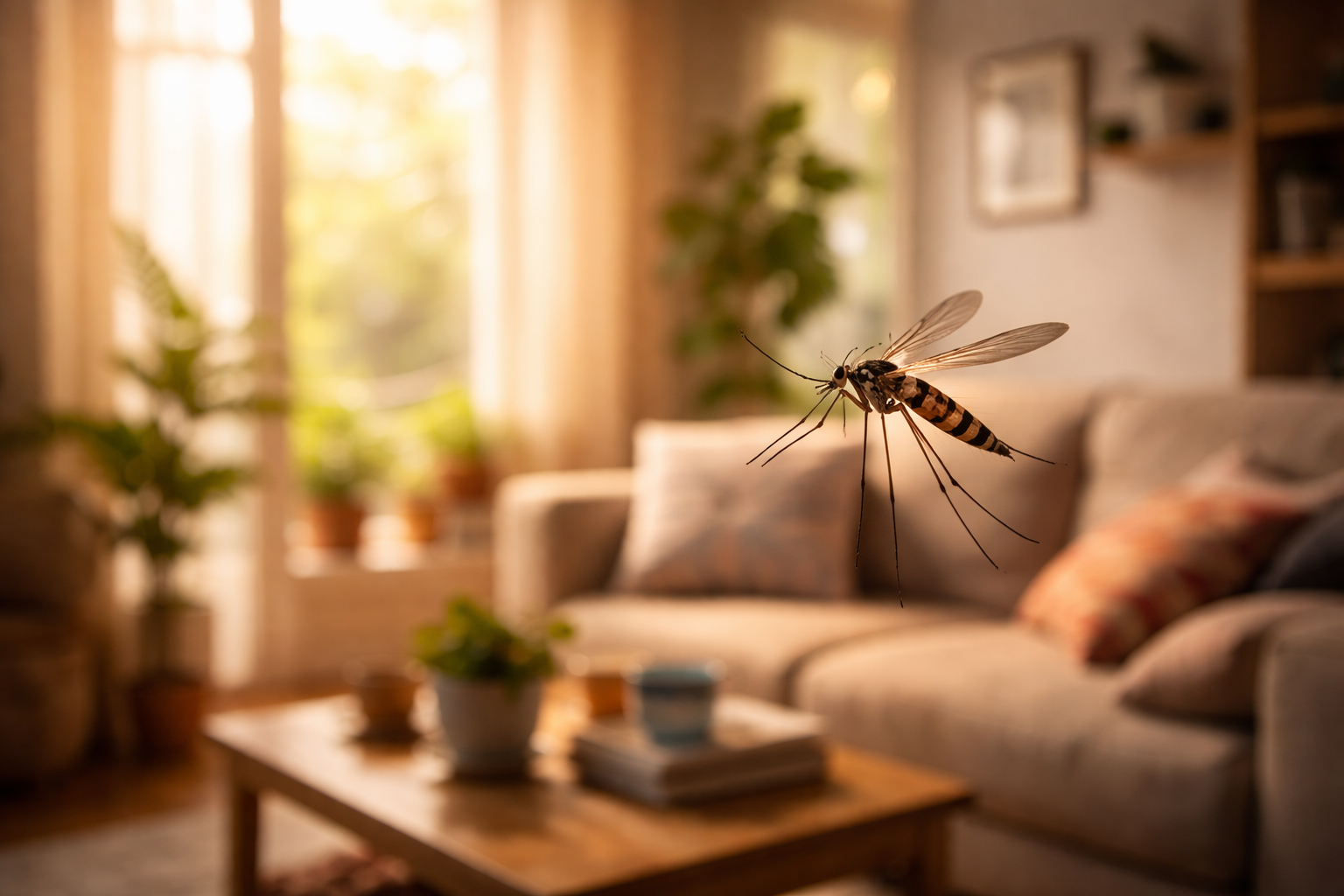
Mosquitoes are more than just a backyard nuisance in Kansas City. With warm summers, frequent rainfall, and abundant tree cover, the Kansas City metro area provides ideal breeding conditions for mosquitoes. Beyond itchy bites, mosquitoes pose real health concerns and can quickly make outdoor spaces unusable.
This guide explains how mosquito control works in Kansas City, why mosquito populations surge seasonally, what prevention strategies are most effective, and when professional treatment may be necessary.
Why Mosquitoes Are a Major Problem in Kansas City
Kansas City’s climate plays a major role in mosquito activity. Warm temperatures combined with regular spring and summer rain create standing water sources where mosquitoes lay eggs. Even small amounts of water can produce hundreds of mosquitoes in a short time.
According to the Centers for Disease Control and Prevention (CDC), mosquitoes are responsible for spreading diseases such as West Nile virus and other mosquito-borne illnesses in the United States.
Local Conditions That Increase Mosquito Activity
- Heavy spring rainfall
- Humid summer weather
- Shaded yards with dense vegetation
- Backyard water features
- Clogged gutters
- Low-lying areas with poor drainage
These conditions are common throughout Kansas City neighborhoods, including areas in Platte County and surrounding communities.
When Is Mosquito Season in Kansas City?
Mosquito activity in Kansas City typically begins in early spring and peaks during the hottest months of summer. However, mosquitoes can remain active as long as temperatures stay above freezing.
Seasonal Breakdown
- Spring: Eggs hatch after rainfall; populations begin rising.
- Summer: Peak mosquito activity; rapid breeding cycles.
- Fall: Activity decreases but remains present until frost.
- Winter: Eggs survive in protected areas until spring.
Because mosquitoes reproduce quickly, early-season prevention is critical.
How Mosquitoes Breed and Spread
Understanding mosquito behavior helps explain why control efforts must be consistent and comprehensive.
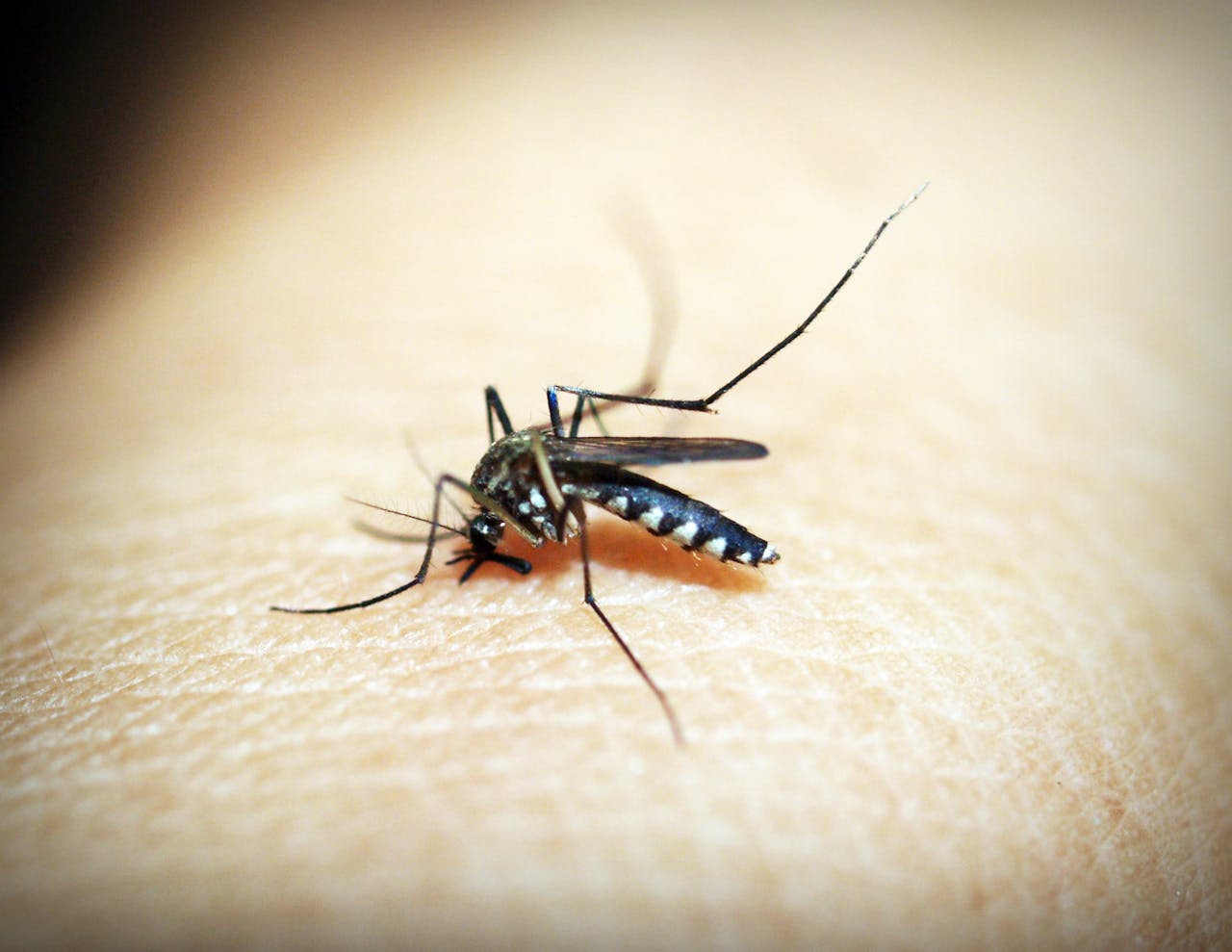
The Mosquito Life Cycle
- Eggs are laid in standing water.
- Larvae develop in water.
- Pupae mature into adults.
- Adult females seek blood meals to reproduce.
Some mosquito species can complete this cycle in as little as 7–10 days under warm conditions.
Effective Kansas City Mosquito Control Strategies
Successful mosquito control requires a combination of habitat reduction, targeted treatment, and ongoing monitoring.
1. Eliminate Standing Water
The most important step in mosquito control is removing breeding sites.
- Empty containers weekly
- Clean clogged gutters
- Cover rain barrels
- Maintain swimming pools
- Refresh birdbaths frequently
- Fill low spots in the yard
The Environmental Protection Agency (EPA) emphasizes eliminating standing water as the first line of defense.
2. Reduce Harborage Areas
- Trim overgrown shrubs
- Thin dense landscaping
- Keep grass mowed regularly
- Remove leaf piles and debris
Mosquitoes rest in cool, shaded areas during the day.
3. Install Physical Barriers
- Repair window and door screens
- Use outdoor fans on patios
- Install mosquito netting where appropriate
Air movement makes it difficult for mosquitoes to land.
4. Professional Mosquito Treatments
Professional mosquito control programs typically include:
- Targeted yard treatments
- Application to vegetation and shaded areas
- Larvicide treatments in standing water
- Regular follow-up services during peak season
These treatments reduce adult mosquito populations and disrupt breeding cycles.
Why DIY Mosquito Control Often Falls Short
Many homeowners attempt DIY mosquito sprays or foggers. While these may temporarily reduce activity, they rarely address breeding sources or long-term prevention.
Common DIY Limitations
- Short-lived results
- No treatment of hidden breeding areas
- Inconsistent application
- No monitoring over time
Because mosquitoes reproduce quickly, inconsistent treatment allows populations to rebound.
Health Risks Associated With Mosquitoes
In addition to irritating bites, mosquitoes can carry diseases. West Nile virus has been reported in Missouri and Kansas, making control efforts important for public health.
Individuals with compromised immune systems, children, and elderly residents are particularly vulnerable to mosquito-borne illnesses.
When to Consider Professional Kansas City Mosquito Control
Professional mosquito control may be appropriate if:
- You cannot use your backyard due to heavy mosquito activity
- DIY treatments have not worked
- You live near wooded areas or water
- You are planning outdoor events
- You want seasonal protection throughout summer
How Ongoing Mosquito Control Programs Work
Ongoing seasonal mosquito control programs typically include:
- Scheduled treatments during peak season
- Inspection of breeding areas
- Targeted application to vegetation
- Monitoring for activity changes
Consistency is key to maintaining reduced mosquito populations.
Key Takeaways
- Kansas City’s climate supports heavy mosquito activity.
- Eliminating standing water is the first step in control.
- Professional treatments provide longer-lasting results.
- Early-season prevention reduces peak populations.
- Ongoing service offers the most reliable protection.
Local Expertise Matters
Because mosquito pressure varies across neighborhoods and seasons, working with a provider familiar with Kansas City’s climate and conditions ensures treatments are timed and applied effectively.
Pledge Pest Control provides mosquito control services designed for Kansas City and surrounding communities, focusing on targeted treatments and seasonal prevention to help homeowners reclaim their outdoor spaces.
Looking to reduce mosquitoes around your home? Understanding your options is the first step toward safer, more comfortable outdoor living.