
Spiders in Your Home in Tracy, Missouri: Why They’re There and How to Get Rid of Them
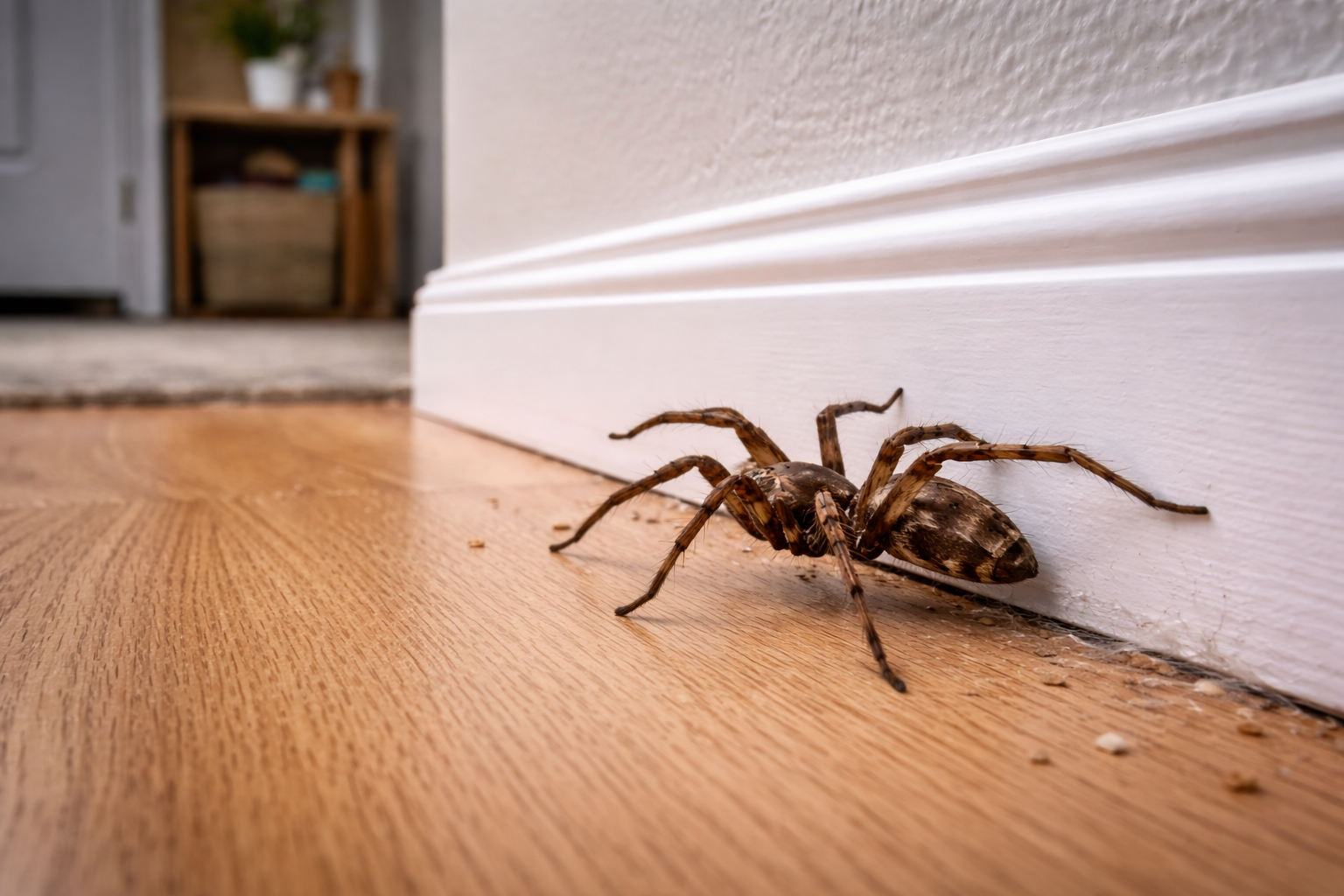
Seeing spiders in your home can be unsettling, especially when they show up in corners, basements, or ceilings without warning. In Tracy, Missouri, spider activity is common due to seasonal weather changes, nearby vegetation, and the presence of other insects.
The good news is that spiders are usually a sign of a larger issue—not the main problem themselves. If you’re seeing spiders, it typically means your home is providing food and shelter that attract them.
This guide explains why spiders are in your home, how to get rid of them, and how to prevent them from coming back.
Why Are There Spiders in Your Home?
Spiders enter homes for two main reasons: food and shelter. They are predators that feed on other insects, so where there are bugs, there will often be spiders.
Common Reasons Spiders Move Indoors
- Presence of insects (their food source)
- Cool, dark spaces like basements and crawlspaces
- Gaps and cracks in walls or foundations
- Seasonal temperature changes
- Clutter that provides hiding spots
According to the EPA, reducing insect populations is one of the most effective ways to reduce spider activity.
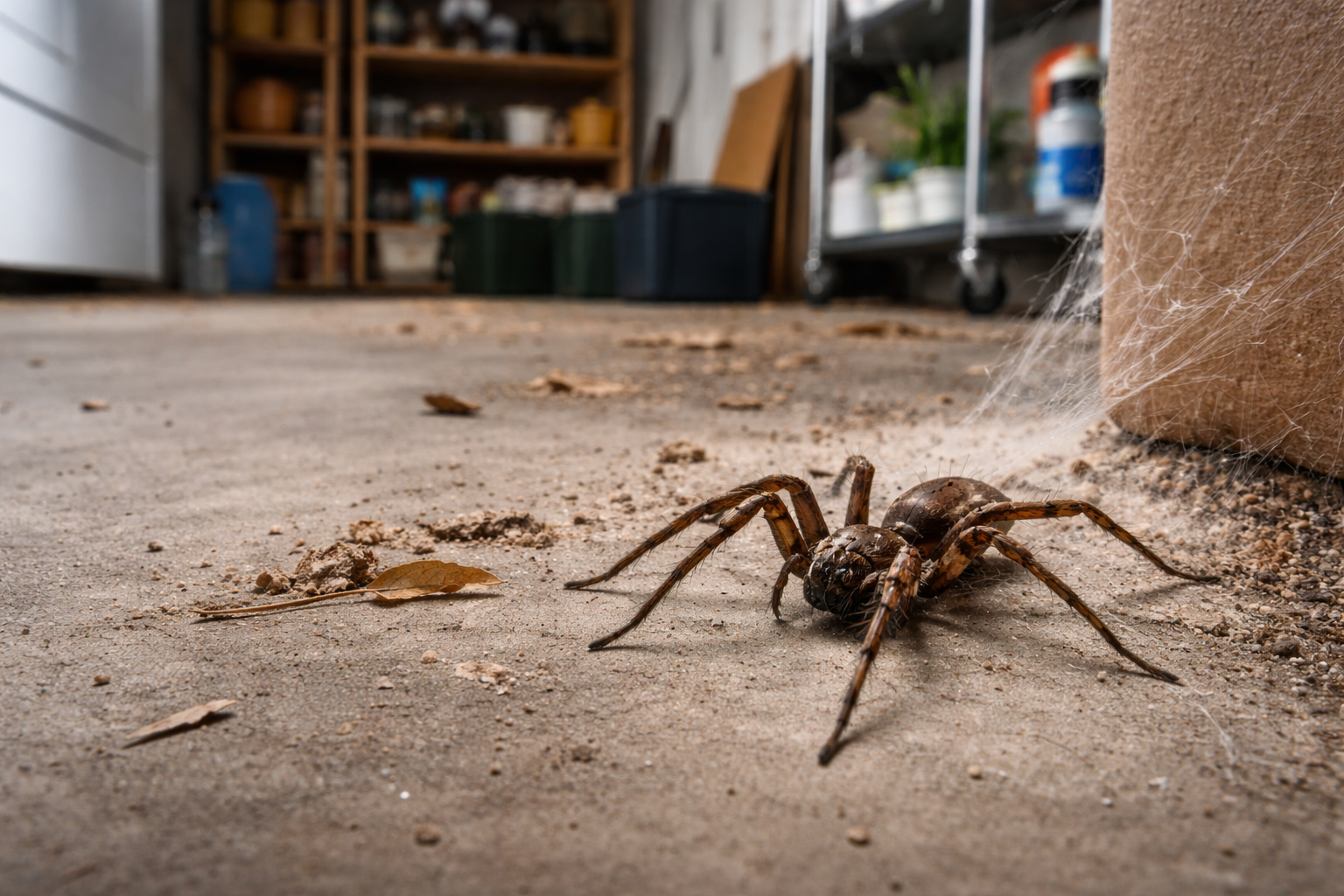
Are Spiders in Tracy, Missouri Dangerous?
Most spiders found in Tracy homes are harmless and actually help control other insect populations. However, a few species require caution.
Common Spiders in Tracy Homes
- House spiders (harmless)
- Cellar spiders (long-legged, harmless)
- Wolf spiders (large but not aggressive)
- Jumping spiders (small and harmless)
Spiders to Be Aware Of
- Brown recluse – Can be found in Missouri and prefers dark, undisturbed areas
- Black widow – Rare, but may be found in garages or outdoor structures
If you suspect either of these species, it’s best to avoid handling them and consider professional identification.
Where Spiders Hide in Homes
Spiders prefer quiet, low-traffic areas where they can build webs or hunt.
Common Indoor Spider Locations
- Basements and crawlspaces
- Attics
- Garages
- Closets and storage areas
- Behind furniture
- Ceiling corners and window frames
Outdoor areas such as eaves, siding, and landscaping also serve as entry points.
How to Get Rid of Spiders in Your Home
Effective spider control involves reducing their food source and eliminating their hiding spots.
Step 1: Remove Webs and Egg Sacs
- Vacuum corners, ceilings, and baseboards
- Remove webs regularly
- Dispose of vacuum contents immediately
This helps reduce spider populations quickly.
Step 2: Reduce Other Insects
Since spiders feed on insects, eliminating bugs is key.
- Keep lights off near entry points at night
- Seal food properly
- Use targeted pest control for insects
Step 3: Seal Entry Points
- Caulk cracks in foundations and walls
- Seal gaps around doors and windows
- Repair screens and vents
Spiders often enter through small openings while hunting.
Step 4: Declutter Storage Areas
- Organize boxes and storage items
- Avoid stacking cardboard directly on floors
- Reduce hiding spots in basements and garages
Step 5: Maintain Outdoor Areas
- Trim bushes and trees away from the home
- Remove woodpiles near the foundation
- Keep grass trimmed
- Reduce outdoor lighting that attracts insects
Why Spiders Keep Coming Back
If spiders keep reappearing, it usually means their food source or entry points haven’t been addressed.
Common Causes of Recurring Spider Problems
- High insect activity inside the home
- Unsealed entry points
- Cluttered storage spaces
- Outdoor conditions attracting insects
Spiders will continue returning as long as conditions remain favorable.
DIY vs Professional Spider Control
While homeowners can manage minor spider issues, larger or recurring problems often require professional help.
Limitations of DIY Spider Control
- Does not address underlying insect issues
- Misses hidden nesting areas
- Requires constant maintenance
- Often provides temporary relief
When to Call a Professional
You should consider professional pest control if:
- You are seeing spiders frequently
- Spiders appear in multiple areas of the home
- You suspect brown recluse or black widow activity
- Other insect problems are present
Professional pest control focuses on both spider reduction and eliminating their food source.
How Professional Spider Control Works
Professional spider control typically includes:
- Inspection of interior and exterior areas
- Removal of webs and nesting sites
- Treatment of entry points
- Control of underlying insect populations
- Preventative recommendations
Key Takeaways
- Spiders are usually attracted by other insects
- Most spiders in Tracy homes are harmless
- Reducing insects reduces spider activity
- Sealing entry points prevents them from entering
- Professional help may be needed for recurring issues
Local Insight for Tracy Homes
Homes in Tracy and surrounding Platte County areas often experience seasonal spider activity due to humidity, vegetation, and insect populations. Addressing spider issues early helps prevent larger infestations.
Pledge Pest Control provides spider control solutions that focus on both eliminating spiders and addressing the underlying causes that attract them.
Seeing spiders in your home? Taking the right steps now can help keep your home spider-free long-term.