
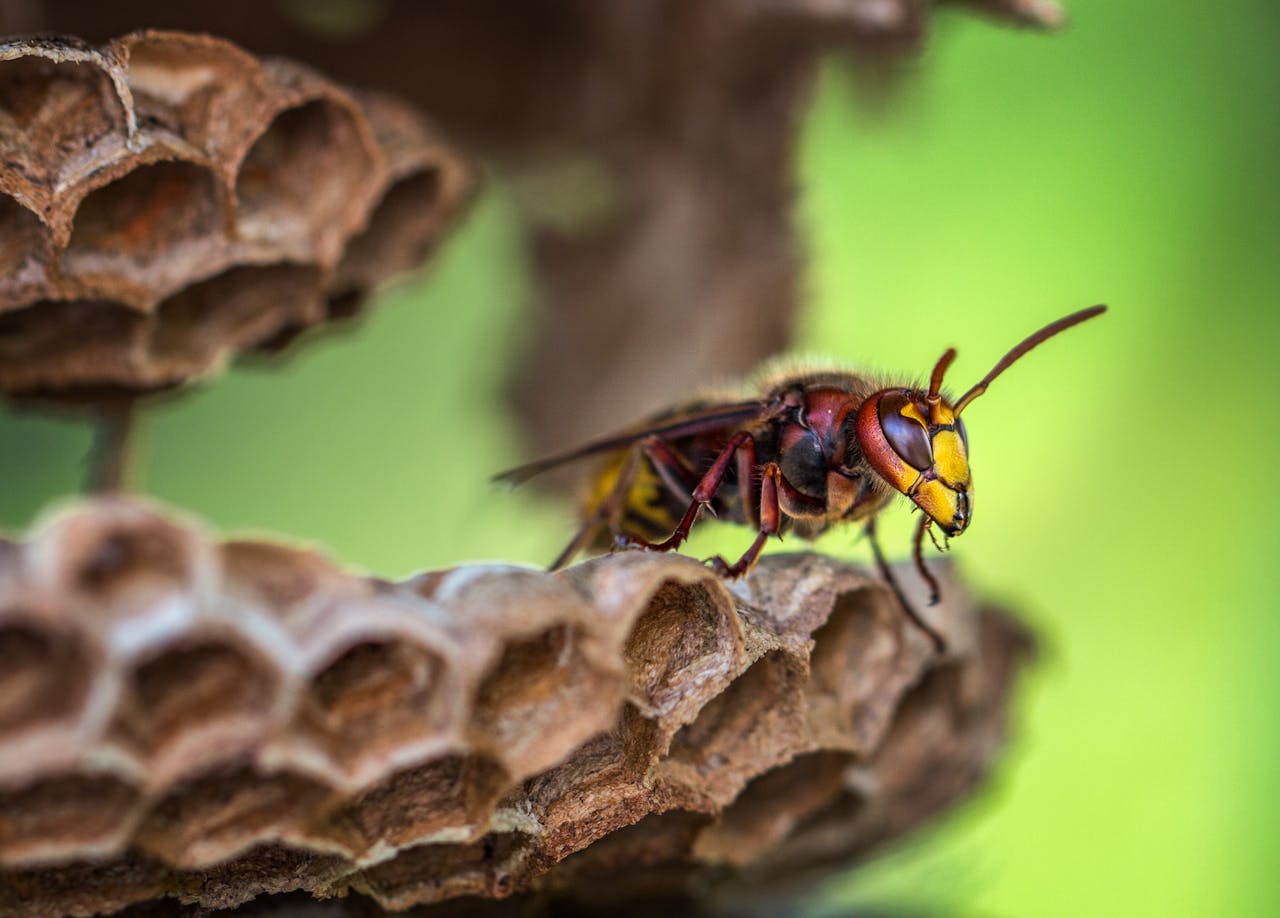
Wasp Nest Removal: When to Call a Pro
Finding a wasp nest on your property can be alarming—especially when you’re worried about stings, children playing nearby, or outdoor gatherings. While some homeowners may attempt DIY wasp nest removal, not every situation is safe to handle alone. Understanding when to call a professional can protect your family, prevent painful stings, and ensure the nest is eliminated fully and safely.
This comprehensive guide from Pledge Pest Control explains everything you need to know: how to identify wasps, the risks they pose, signs that require professional intervention, and safe removal strategies.
Understanding the Risks of Wasps Around Your Home
Wasps are beneficial insects in nature—they reduce pests and help pollinate. But when they build nests too close to homes, decks, garages, or play areas, they become a serious safety concern.
Unlike bees, many wasp species can sting multiple times and aggressively defend their territory. According to the CDC, stinging insects send over 100,000 Americans to the emergency room each year, and wasps are among the top offenders.
Common Wasp Species Homeowners Encounter
- Yellowjackets – Highly aggressive, often found in wall voids, ground holes, attics, and sheds.
- Paper Wasps – Build umbrella-shaped nests under eaves, decks, and entryways.
- Hornets – Larger, more aggressive, often found in trees or high structures.
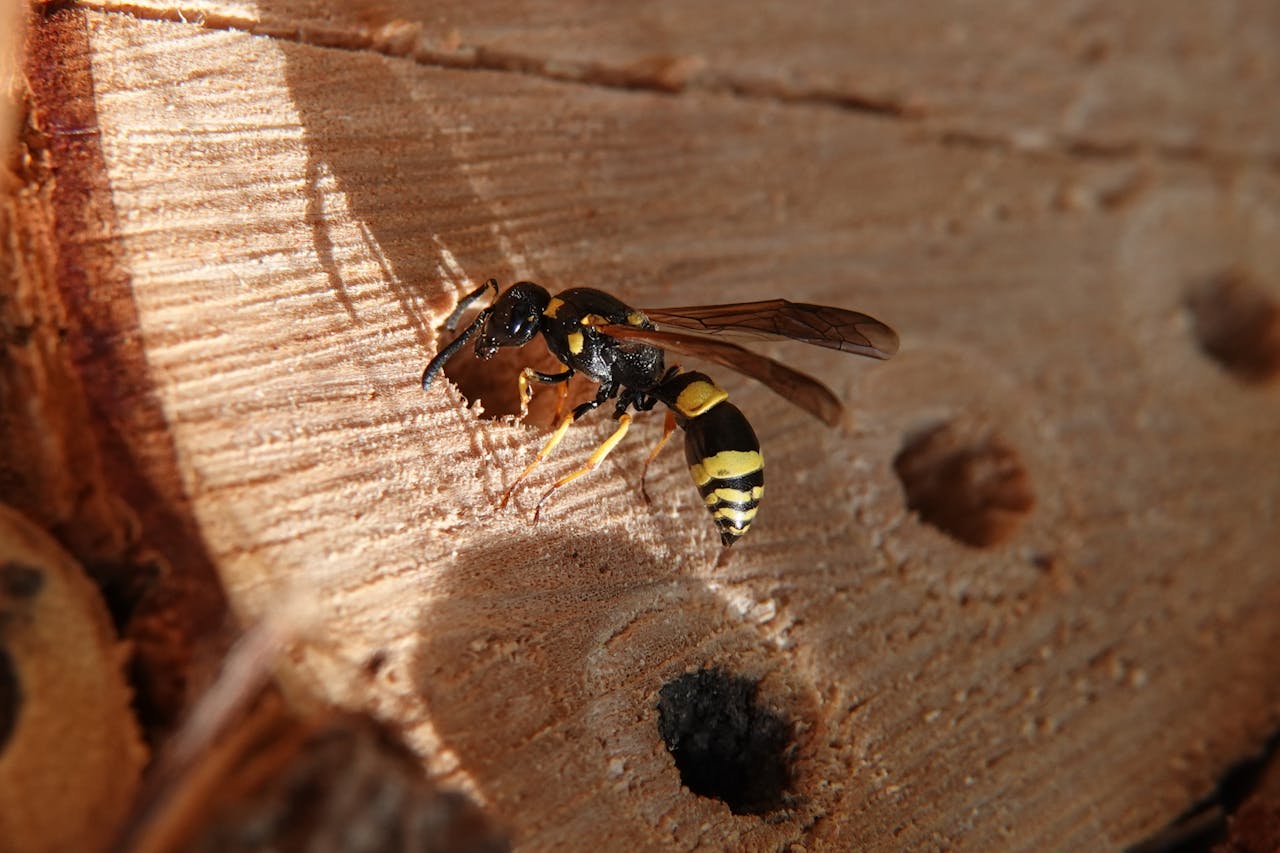
- Mud Daubers – Less aggressive but still capable of stinging; nests appear as mud tubes.
Correct identification helps determine whether DIY removal is possible—but when in doubt, assume the nest may be dangerous.
Why Wasps Build Nests Near Homes
Wasps look for places that offer warmth, shelter, and easy access to food and water. Homes provide all three, especially in spring and early summer when queens search for nesting sites.
Common areas wasps choose include:
- Under roof eaves
- Inside attic spaces
- Sheds and garages
- Playsets or swing sets
- Gutters and light fixtures
- Ground holes or landscape voids
- Outdoor furniture and grills
Warm climates and wooded neighborhoods tend to see higher activity, but wasps thrive in nearly every region of the United States. Unlike generally harmless pest like cockroaches, wasps can pose a danger to you and your loved ones.
Signs You Have a Wasp Problem
Sometimes nests are large and visible—but other times, infestations are hidden.
Watch for these warning signs:
- Wasps entering and exiting a specific hole or entry point
- Increased wasp activity around decks or eaves
- Buzzing noises from walls or ceilings
- Visible papery structures under overhangs
- Small mud tubes (mud daubers)
- Wasps swarming near food sources or trash
If you see a steady stream of wasps, assume a nest is nearby.
DIY Wasp Removal: When It’s Safe—And When It’s Not
Some small, newly built nests can be managed by homeowners if certain conditions are met. However, wasps are unpredictable, and even small nests can pose serious dangers. Use caution and assess each situation carefully.
When DIY Removal MAY Be Safe
DIY removal might be an option if:
- The nest is very small (golf-ball sized) and recently built.
- The nest is in an open, easily accessible area.
- You can remove it safely at dusk or dawn when wasps are less active.
- You have protective clothing and proper tools.
Even then—caution is critical.
The University of Minnesota Extension emphasizes avoiding DIY removal of active nests with visible wasp activity.
When DIY Removal Is NOT Safe
Call a professional immediately if:
- The nest is large or well developed.
- Wasps are entering inside your home (walls, attic, vents).
- The nest is in a hard-to-access area—high eaves, soffits, rooflines.
- You are allergic or have a family member with allergies.
- You hear buzzing inside walls.
- The nest belongs to hornets or aggressive species like yellowjackets.
- Wasps behave aggressively when you approach.
Trying to remove dangerous nests often leads to multiple stings, falls from ladders, or incomplete removal that worsens the situation.
Why You Should Avoid Removing Nests Inside Walls
Yellowjackets frequently establish nests inside:
- Wall voids
- Attic spaces
- Soffits
- Ventilation openings
Spray treatments often drive wasps deeper into the home or force them into living spaces. Additionally, killing a nest inside the wall without proper removal can lead to:
- Rotting, decaying insect material
- Attracting secondary pests
- Odor problems
- Structural damage
This type of nest ALWAYS requires professional removal.
Professional Wasp Removal: What to Expect
Calling a professional ensures the nest is removed safely, thoroughly, and with minimal risk. Pledge Pest Control follows a proven process:
1. Inspection and Species Identification
Our technicians identify the species, nest size, and level of activity. This determines the best treatment method and timing.
2. Safe Treatment Using Professional Tools
We use targeted products designed to eliminate the nest quickly and humanely. Treatments may include:
- Residual insecticidal dusts
- Foam treatments for voids
- Liquid applications for exposed paper nests
These tools are far more effective—and far safer—than store-bought sprays.
3. Nest Removal and Cleanup
Once the nest is neutralized, we remove the physical structure to prevent reinfestation and reduce attractants for future colonies.
4. Exclusion and Prevention Recommendations
We identify vulnerabilities like gaps in siding, unsealed soffits, or weakened wood structures. Addressing these reduces the risk of new nests forming.
When to Call a Pro: Clear Warning Signs
Contact Pledge Pest Control immediately if you notice:
- Multiple wasps entering the same hole repeatedly
- A nest located near doors, decks, children’s play areas, or high-traffic zones
- Buzzing or scraping sounds from inside a wall
- Nests larger than a baseball
- A swarm or sudden surge in wasp activity
- Any nest belonging to hornets or yellowjackets
- Stings occurring frequently around your home
These situations can become dangerous quickly—professionals have the equipment and experience to handle them safely.
How to Prevent Wasps From Returning
After a nest is removed, long-term prevention keeps your home protected throughout the year.
- Seal cracks and gaps around siding, soffits, and vents.
- Repair window screens and install door sweeps.
- Clean outdoor eating areas immediately after use.
- Keep trash cans tightly sealed and rinsed when needed.
- Reduce yard debris like logs, brush, and abandoned materials.
- Install decoy wasp nests (effective for some paper wasp species).
- Schedule seasonal inspections in spring when queens search for new nesting sites.
The EPA recommends integrated pest management (IPM) for long-term wasp control—combining prevention, exclusion, and targeted treatment.
Should You Treat a Wasp Nest at Night?
Nighttime is when wasps are less active, but that doesn’t mean removal is safe. While some professionals treat nests at night, homeowners should not attempt this due to:
- Reduced visibility
- Difficulty assessing nest size
- Higher likelihood of accidental disturbance
- Inability to escape if a swarm occurs
Professionals have the proper lights, protective gear, and techniques to perform nighttime treatments safely.
Wasp Stings: What to Do
If a sting occurs:
- Move away from the nest immediately.
- Wash the sting with soap and water.
- Apply a cold pack.
- Monitor for allergic reactions.
Seek emergency care if you notice:
- Difficulty breathing
- Chest tightness
- Swelling of lips or face
- Hives or rash spreading across the body
Allergic reactions are medical emergencies—call 911 immediately.
Key Takeaways
- Small, early-stage nests may be manageable—but most wasp nests require professional removal.
- Never attempt to remove a nest in a wall, attic, or enclosed structure.
- Yellowjackets and hornets are aggressive and dangerous—always call a pro.
- Proper protective equipment and treatment methods are essential for safety.
- After removal, prevention steps protect your home long-term.
Why Homeowners Choose Pledge Pest Control for Wasp Removal
Pledge Pest Control offers safe, fast, and effective wasp nest removal backed by years of experience and industry-best techniques. We handle even the most dangerous nests—so you don’t have to put yourself, your family, or your property at risk.
- Expert identification of species and nest severity
- Safe, targeted treatments that work quickly
- Complete nest removal and cleanup
- Preventative recommendations to keep wasps from returning
- Friendly, licensed professionals you can trust
Let us take the sting out of wasp problems—permanently.
Need fast wasp nest removal? Contact Pledge Pest Control today for a safe, professional solution.