
Can Ticks and Fleas Live in Kansas City Without Pets?
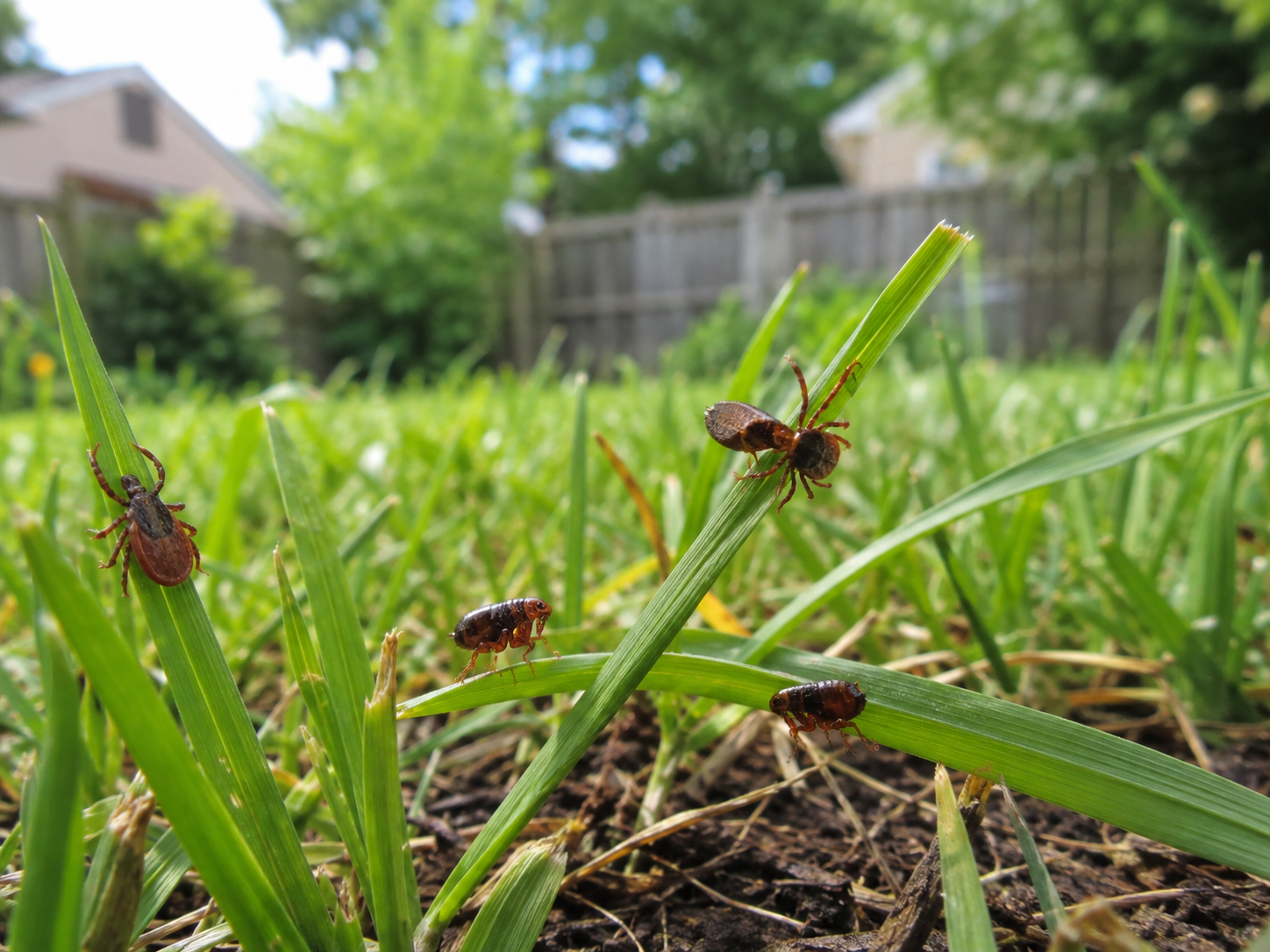
Quick Answer: Yes. Ticks and fleas can live around Kansas City homes even if you do not own a dog or cat. Ticks can survive outdoors in shaded vegetation and leaf litter while feeding on wildlife such as deer, rodents, rabbits, and other mammals. Fleas can also be introduced by wildlife and rodents and may persist around yards, crawlspaces, porches, or previously infested homes. Not having pets lowers some exposure risks, but it does not make a property immune to ticks or fleas.
Finding a tick in your yard or flea-like insects inside your home can therefore be confusing when you don’t have pets. Where did they come from? What are they feeding on? And does finding one mean you have an infestation?
For homeowners in Kansas City and the surrounding northwest Missouri area, the answer often involves wildlife, outdoor habitat, previous occupants, or rodents. Here’s what you should know about ticks and fleas when there isn’t a family pet to blame, and how to get help with tick removal.
How Can Ticks Live in Your Yard Without Pets?
Ticks don’t depend on domestic pets. Dogs and cats are simply convenient hosts when they’re available. In nature, ticks feed on many different animals during different stages of their life cycle.
Potential hosts around a Kansas City property can include:
- Deer
- Mice and other rodents
- Rabbits
- Squirrels
- Raccoons
- Other wildlife moving through the property
That means a wooded backyard or property with frequent wildlife traffic can support ticks even if no domestic animal ever enters the yard.
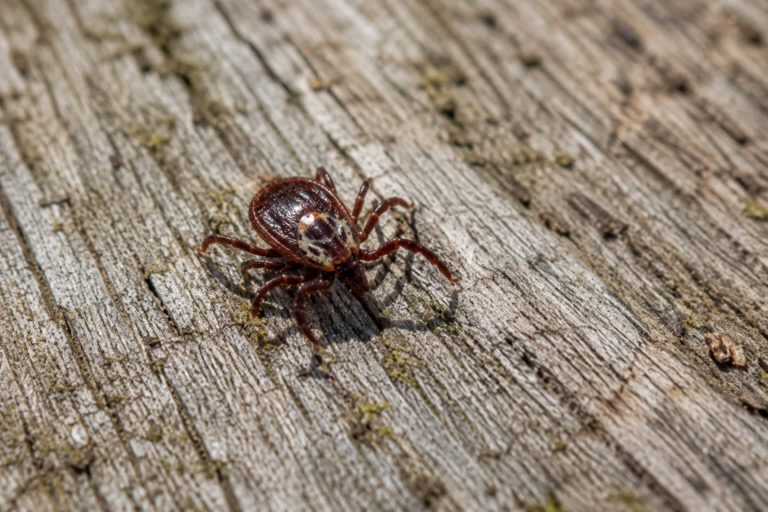
Where Do Ticks Live When They Aren’t on an Animal?
A common misconception is that ticks spend their lives attached to animals. In reality, ticks spend significant amounts of time in the environment between feedings.
They generally prefer locations that protect them from drying out, including:
- Leaf litter
- Tall grass
- Wooded property edges
- Dense shrubs
- Brush piles
- Shaded landscaping
- Areas frequently traveled by wildlife
This is one reason tick activity can be higher on Kansas City properties that border woods or natural areas. The combination of shade, moisture, vegetation, and wildlife provides both habitat and potential hosts.
Can Fleas Live in a House Without Dogs or Cats?
Yes, fleas can sometimes be present in a home without pets. While cats and dogs are common hosts, fleas can also be associated with rodents and wildlife. Flea eggs, larvae, and pupae can also remain in the environment after an animal is gone.
This can create especially confusing situations after moving into a new home or apartment. Previous occupants may have owned pets, or wildlife and rodents may have had access to parts of the structure.
Where Could Fleas Come From If You Don’t Have Pets?
If fleas appear in a pet-free Kansas City home, there are several possibilities worth investigating.
Wildlife Around the Property
Raccoons, opossums, feral cats, and other mammals can introduce fleas into areas around decks, sheds, crawlspaces, and foundations.
Rodents Inside the Structure
Mice and rats can carry fleas. If rodents are nesting in a crawlspace, attic, wall void, garage, or another protected location, flea activity can sometimes be associated with the rodent problem.
Previous Pets
If you’ve recently moved into a house or rental, fleas may have originated with an animal that no longer lives there. Immature stages can remain protected in carpets, cracks, and other areas before adults emerge.
Visiting Animals
A pet doesn’t necessarily have to live in your home. Visiting dogs, outdoor cats, or animals spending time around porches and yards can introduce fleas.
Can Fleas Survive Without Feeding?
Adult fleas depend on blood meals, but the flea life cycle includes eggs, larvae, and pupae. The pupal stage is particularly important because developing fleas can remain protected while waiting for environmental signals associated with a potential host.
This helps explain why flea activity can sometimes seem to appear suddenly in a previously vacant property.
Can Ticks Live Inside a House Without Pets?
A tick occasionally brought indoors does not necessarily mean ticks are living and reproducing throughout the home. People can pick up ticks while gardening, hiking, working around vegetation, or simply spending time in a tick-prone yard.
Clothing, outdoor equipment, and people themselves can therefore transport ticks indoors even when there are no pets.
If you’re repeatedly finding ticks indoors, however, it’s worth investigating where they may be coming from rather than assuming each sighting is unrelated.
Why Kansas City Properties Can Have Tick and Flea Problems
Kansas City’s environment provides plenty of opportunities for both pests. Warm weather, seasonal moisture, wooded areas, mature landscaping, and abundant wildlife can all contribute to pest activity.
Properties near wooded areas may be particularly favorable to ticks because wildlife frequently moves between natural habitat and residential yards.
The Centers for Disease Control and Prevention recommends reducing tick habitat around homes by removing leaf litter, mowing frequently, clearing tall grasses and brush, and creating separation between lawns and wooded areas.
How Can You Reduce Ticks Without Having Pets?
Because the source is often outdoors, prevention should focus heavily on your property.
- Mow regularly. Short, sunny grass is generally less favorable to ticks than shaded vegetation.
- Remove leaf litter. Pay particular attention to fence lines and wooded edges.
- Trim shrubs. Increasing sunlight and airflow can make landscaping less favorable.
- Clear brush. Remove unnecessary vegetation and debris where wildlife and ticks can find shelter.
- Pay attention to yard edges. Transitions between woods and maintained lawns can be important tick zones.
- Discourage wildlife. Secure trash and avoid unintentionally providing food or shelter for animals.
How Can You Reduce Fleas Without Having Pets?
If fleas are suspected, finding the source matters more than simply treating the insects you see.
Start by looking for:
- Signs of mice or rats
- Wildlife nesting beneath decks or around structures
- Feral or outdoor animals frequently resting near the home
- Areas previously occupied by pets
- Recurring activity in carpets, rugs, or upholstered areas
If rodents are involved, addressing the rodent problem is an important part of preventing the issue from returning.
Does Finding One Tick or Flea Mean You Have an Infestation?
Not necessarily. A single tick may simply have been carried indoors after outdoor activity. Likewise, identifying a suspected flea requires confirming that it actually is a flea and determining its source.
Repeated sightings are more significant. If you’re consistently finding ticks around your property or experiencing ongoing flea activity indoors, there’s probably an environmental or animal source that needs to be identified.
When Should You Consider Professional Help?
Professional pest management may make sense when you’ve addressed obvious conditions but activity continues. Examples include finding ticks repeatedly in frequently used portions of the yard, unexplained flea activity without pets, suspected rodents, or a property that borders heavy vegetation or wildlife habitat.
The goal should be to identify why the pests are present. Simply treating individual ticks or fleas without addressing habitat or hosts may provide only temporary improvement.
Frequently Asked Questions
Can I get fleas even though I don’t have a dog?
Yes. Fleas may be associated with wildlife, rodents, previous pets, or animals that visit the property.
Can ticks survive in my backyard without animals?
Ticks spend considerable time off-host, but they ultimately require animal hosts to complete their life cycle. Wildlife can provide those hosts even when you don’t own pets.
Can people bring ticks into the house?
Yes. Ticks can attach to people or clothing during outdoor activities and later be discovered indoors.
Why would fleas suddenly appear in an empty house?
One possibility is that developing fleas were already present from a previous animal infestation and adults emerged later. Rodents or wildlife should also be considered.
Key Takeaways for Kansas City Homeowners
- You do not need pets to have ticks or fleas around your property.
- Wildlife and rodents can serve as hosts for both pests.
- Ticks are especially associated with shaded vegetation, leaf litter, and wooded edges.
- Unexplained flea activity can sometimes point to rodents, wildlife, or previous pets.
- Repeated activity is a reason to investigate the source rather than simply treating individual pests.
Keeping Your Kansas City Property Less Attractive to Ticks and Fleas
Not owning pets removes one common way ticks and fleas enter a home, but it doesn’t eliminate the possibility of either pest. The surrounding environment matters just as much. Wildlife movement, rodents, landscaping, leaf litter, and wooded property lines can all influence what you encounter.
For Kansas City homeowners experiencing recurring activity, Pledge Pest Control can evaluate the property for tick and flea risk factors and help determine where the problem may be originating. Combining habitat reduction with targeted pest management is often more effective than repeatedly treating the pests you happen to see.