
Why Do I Keep Finding Ticks on My Dog in Platte Woods?
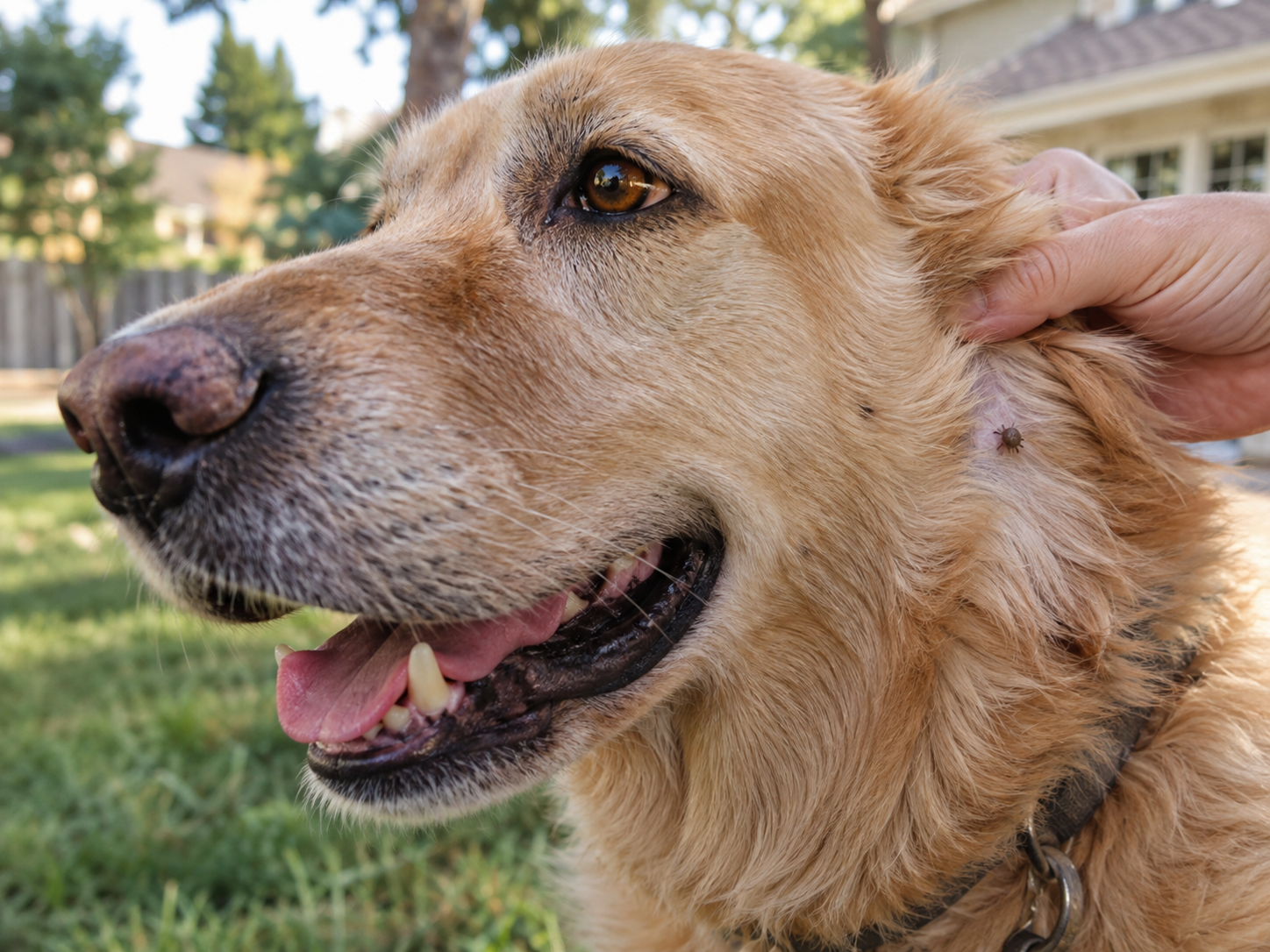
Quick Answer: If you keep finding ticks on your dog in Platte Woods, Missouri, your pet is probably encountering them in shaded grass, leaf litter, landscaping, brush, or wooded edges around your property or on walks. Platte Woods has many of the conditions ticks favor, including mature trees, vegetation, wildlife, and humid weather. Even dogs using tick preventatives or exposed to tick pest control methods may occasionally pick up ticks because some products kill ticks after contact rather than preventing every tick from getting onto the dog.
Finding one tick after a hike is one thing. Finding ticks on your dog repeatedly—even when your dog spends most of its time around your own yard—can be much more frustrating. It may also provide an important clue about what’s happening around your property.
Missouri has substantial tick activity, and dogs are frequent hosts. University of Missouri Extension notes that tick activity in the state generally increases during spring, with June through September considered a peak period, although ticks can be active whenever conditions are warm and humid. Understanding where your dog is encountering them can help you reduce that exposure.
Why Are Dogs Picking Up Ticks Around Platte Woods?
Ticks don’t jump or fly onto your dog. Instead, many ticks use a behavior known as questing. They climb vegetation and extend their front legs, waiting for a passing animal or person to brush against them. When your dog walks through the vegetation, the tick can transfer onto its fur and begin searching for a place to attach.
According to University of Missouri Extension, immature and adult ticks are commonly encountered in wooded and brushy areas where animal hosts are abundant, although ticks can also occur in lawns when hosts are present.
That makes parts of Platte Woods particularly suitable for ticks. Mature trees, established landscaping, wooded areas, and wildlife corridors can create both tick habitat and opportunities for ticks to find hosts.
Where Is My Dog Most Likely Picking Up Ticks?
If ticks repeatedly appear on your dog, start thinking about where your dog spends time rather than only focusing on the dog itself.
Common tick hotspots around residential properties include:
- Wooded edges
- Tall grass and weeds
- Leaf litter beneath trees
- Dense shrubs and groundcover
- Fence lines
- Brush piles
- Shaded landscape beds
- Trails and paths through vegetation
- Areas frequently visited by deer or other wildlife
Pay particular attention to the transition between a maintained lawn and woods, brush, or dense landscaping. These edge areas can provide shade and humidity while also serving as travel routes for wildlife.
Can Ticks Live in a Well-Maintained Yard?
Yes. A neatly mowed lawn generally provides less favorable tick habitat than tall, shaded vegetation, but mowing alone cannot guarantee a tick-free property.
University of Missouri Extension notes that tick abundance is associated with landscape features that provide shade, surface humidity, and habitat for animal hosts. Wooded areas, lawn perimeters, groundcover, leaf litter, and piles of wood or stone can all be associated with tick activity.
This means the center of your lawn may not be the primary problem. Your dog might be encountering ticks while sniffing beneath shrubs, exploring a fence line, or walking along the edge of the woods.
Does Finding Ticks Mean My Dog’s Tick Medicine Isn’t Working?
Not necessarily. Finding a tick on a dog using a preventative does not automatically mean the product failed.
Different veterinary tick preventatives work in different ways. Some products may kill ticks after they get onto or attach to the animal rather than creating an invisible barrier that prevents every tick from making contact.
The CDC recommends checking dogs for ticks daily even when prevention is being used and discussing the most appropriate tick-prevention product with your veterinarian.
If you regularly find live or attached ticks despite using a preventative exactly as directed, contact your veterinarian. They can determine whether the product and schedule are appropriate for your dog’s lifestyle and local tick exposure.
Where Should I Check My Dog for Ticks?
Ticks can be surprisingly difficult to find, particularly on dogs with thick or dark coats. Run your hands slowly through your dog’s fur and feel for small bumps.
The CDC recommends paying particular attention to:
- In and around the ears
- Around the eyelids
- Under the collar
- Under the front legs
- Between the back legs
- Between the toes
- Around the tail
Checking your dog soon after outdoor activity gives you a better opportunity to find ticks before they remain attached for an extended period.
Can My Dog Bring Ticks Into the House?
Yes. A tick can crawl onto a dog outdoors and be transported inside before attaching. It may then remain on the dog or potentially encounter a person.
This is another reason routine tick checks matter. The CDC specifically notes that pets can carry ticks into homes and recommends examining pets after they spend time outdoors.
One Missouri species deserves additional attention: the brown dog tick. University of Missouri Extension notes that this species can be brought into homes with dogs and can become an indoor pest.
What Ticks Are Common in Missouri?
Missouri is home to several tick species. University of Missouri Extension identifies the lone star tick and American dog tick as two of the state’s most frequently encountered ticks. Brown dog ticks may also occur on domestic dogs.
The American dog tick is abundant across Missouri, and adults are active from spring into early fall. Lone star ticks are also particularly common in Missouri.
You don’t necessarily need to identify every tick yourself. If you’re concerned about what you’re finding or your dog develops unusual symptoms after a tick bite, contact your veterinarian.
How Can I Make My Platte Woods Yard Less Attractive to Ticks?
If your dog keeps encountering ticks at home, reducing tick habitat around the property can complement veterinary prevention.
Keep Grass Maintained
Regular mowing reduces the tall vegetation and humid conditions many ticks prefer.
Remove Leaf Litter
Don’t let thick layers of leaves accumulate along fences, beneath shrubs, or around wooded edges.
Cut Back Brush and Overgrowth
Removing unnecessary vegetation increases sunlight and airflow and reduces sheltered tick habitat.
Pay Attention to Wooded Edges
If your property backs up to woods, consider creating separation between frequently used lawn areas and brushy vegetation. The CDC recommends a barrier of wood chips or gravel between lawns and wooded areas as one strategy for reducing contact with tick habitat.
Think About Wildlife
Dogs aren’t the only hosts in your yard. Deer and other wildlife can transport ticks through residential properties. Avoid intentionally attracting wildlife close to areas where your dog spends time.
What Should I Do If I Find a Tick on My Dog?
If the tick is attached, remove it promptly and carefully. Use clean tweezers or an appropriate tick-removal tool to grasp the tick close to the skin and pull upward steadily rather than twisting or crushing it.
Afterward, monitor your dog and contact your veterinarian if you have concerns. The CDC notes that signs of some tickborne diseases in pets may not appear immediately, so changes in behavior or appetite following a known tick bite are worth discussing with your veterinarian.
When Does Repeated Tick Exposure Point to a Yard Problem?
If you occasionally find a tick after taking your dog through tall grass or woods, the source may be obvious. If you continually find ticks after your dog spends time primarily in your own yard, however, that suggests there may be favorable tick habitat on or immediately around the property.
Look especially at the places your dog naturally investigates: shrubs, fences, shady corners, wood lines, and areas used by wildlife.
For properties with persistent activity, professional tick management can focus on these higher-risk areas rather than assuming every square foot of lawn presents the same risk.
Frequently Asked Questions About Dogs and Ticks in Platte Woods
Why does my dog get ticks when my neighbor’s dog doesn’t?
Differences in landscaping, wildlife traffic, where each dog explores, coat type, and preventative products can all affect exposure.
Can my dog get ticks just from going into the backyard?
Yes. A dog does not need to go hiking to encounter ticks. Residential yards can contain ticks, particularly near wooded, brushy, or shaded areas.
Should I check my dog after every trip outside?
During periods of high tick activity, a quick check after outdoor activity is useful, and the CDC recommends checking pets daily for ticks.
Are ticks only a summer problem in Missouri?
No. Activity is typically highest during warmer periods, but University of Missouri Extension notes that ticks can become active whenever conditions are sufficiently warm and humid.
Key Takeaways for Platte Woods Dog Owners
- Repeated ticks on your dog usually indicate repeated exposure to tick habitat.
- Wooded edges, leaf litter, shrubs, tall vegetation, and wildlife activity are important places to investigate.
- Finding a tick does not automatically mean your dog’s preventative has failed.
- Veterinary tick prevention and daily tick checks remain important.
- Reducing tick habitat around your yard can lower opportunities for exposure.
Reducing Tick Pressure Around Your Platte Woods Property
If your dog keeps coming inside with ticks despite appropriate veterinary prevention, the next place to investigate is often the yard. Reducing leaf litter and overgrowth, maintaining the lawn, and identifying high-risk wooded or landscaped areas can make the property less favorable to ticks.
For homeowners dealing with recurring outdoor tick activity, Pledge Pest Control can evaluate the areas of a Platte Woods property where ticks are most likely to be encountered and recommend a targeted approach to reducing tick pressure. That complements—not replaces—the tick prevention plan you establish with your veterinarian.